Kategoria: Obserwacje nieba
-

Gemini Astronaut Photos Inspired Early Earth Observation Program
Astronauts James A. Lovell Jr. and Edwin E. “Buzz” Aldrin Jr. orbited Earth from November 11 to 15, 1966, on Gemini XII, the final mission of NASA’s Gemini program. In addition to successfully completing rendezvous maneuvers and spacewalks, procedures vital to sending American astronauts to the Moon, the crew was also spurring the development of…
-
6 listopada 1919: Einstein ma rację
Pierwszy test ogólnej teorii względności Alberta Einsteina odbył się zaledwie cztery lata po jej opublikowaniu. Podczas całkowitego zaćmienia Słońca 29 maja 1919 roku brytyjski astronom Sir Arthur Eddington wraz z zespołem przetestowali teorię, mierząc, jak Słońce zakrzywia światło pochodzące od gwiazd tła. Zgodnie z ogólną teorią względności każdy obiekt posiadający masęContinue reading „Nov. 6, 1919:…
-
Nov. 6, 1919: Einstein is right
The earliest test of Albert Einstein’s general theory of relativity took place just four years after he published it. During the May 29, 1919, total solar eclipse, British astronomer Sir Arthur Eddington and colleagues studied the theory by measuring how the Sun distorts light from background stars. According to general relativity, any object with massContinue…
-
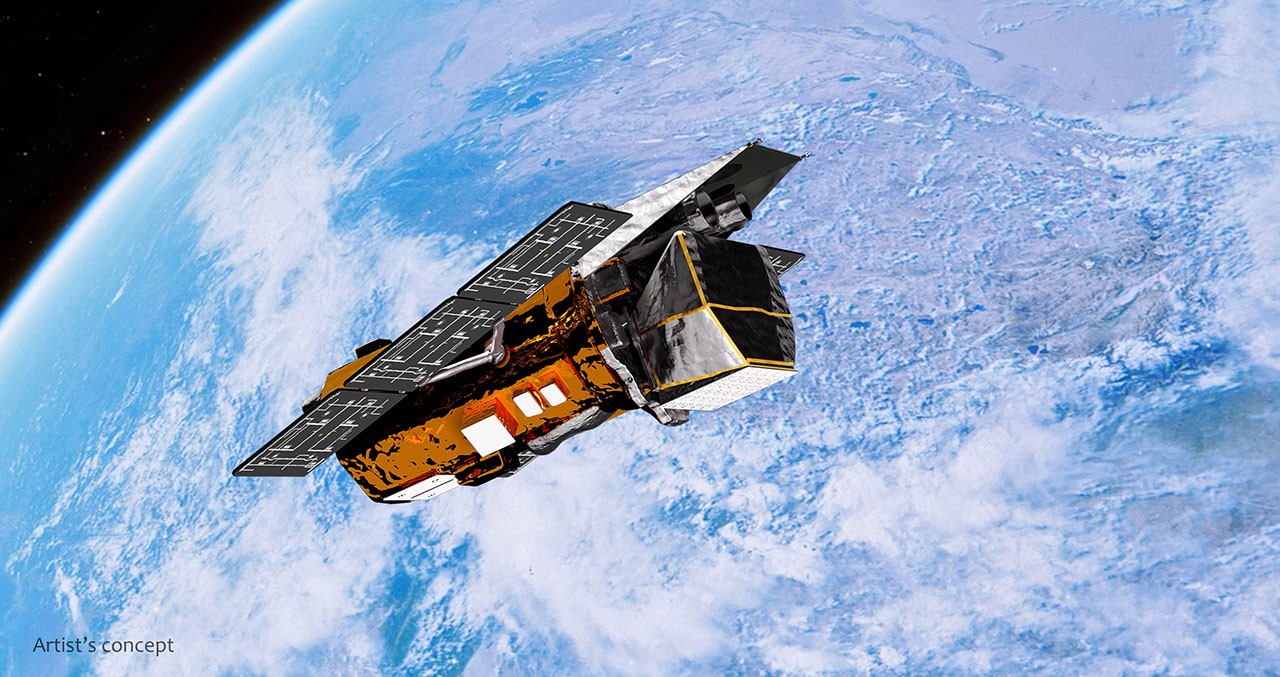
NASA’s Swift Mission Ends, Leaves Behind Scientific Bonanza
NASA’s Neil Gehrels Swift Observatory has ended its science mission now that the spacecraft is orbiting less than 171 miles (275 kilometers) above Earth’s surface. The greater atmospheric drag at this height prevents the satellite’s telescopes from steadily gazing at their astronomical targets. Swift conducted its final observation on Oct. 20. It is expected to…
-
NASAs Swift-Mission endet, hinterlässt wissenschaftlichen Schatz
Das Neil Gehrels Swift Observatory der NASA hat seine wissenschaftliche Mission beendet, da das Raumfahrzeug nun weniger als 275 Kilometer (171 Meilen) über der Erdoberfläche umkreist. Der größere atmosphärische Luftwiderstand in dieser Höhe verhindert, dass die Teleskope des Satelliten ihre astronomischen Ziele stetig beobachten können. Swift führte seine letzte Beobachtung am 20. Oktober durch. Es…
-
La mission rapide de la NASA se termine, laisse derrière elle un véritable succès scientifique
L’observatoire Neil Gehrels Swift de la NASA a terminé sa mission scientifique maintenant que le vaisseau orbite à moins de 171 miles (275 kilomètres) au-dessus de la surface terrestre. La traînée atmosphérique plus importante à cette altitude empêche les télescopes du satellite de surveiller régulièrement leurs cibles astronomiques. Swift a effectué sa dernière observation le…
-
La rápida misión de la NASA termina y deja atrás un gran éxito científico
El Observatorio Neil Gehrels Swift de la NASA ha finalizado su misión científica ahora que la nave orbita a menos de 171 millas (275 kilómetros) sobre la superficie terrestre. La mayor resistencia atmosférica a esta altura impide que los telescopios del satélite observen de forma constante sus objetivos astronómicos. Swift realizó su última observación el…
-
La missione rapida della NASA termina, lascia dietro di sé una grande fortuna scientifica
L’Osservatorio Neil Gehrels Swift della NASA ha concluso la sua missione scientifica ora che la sonda orbita a meno di 171 miglia (275 chilometri) dalla superficie terrestre. La maggiore resistenza atmosferica a questa altezza impedisce ai telescopi del satellite di osservare costantemente i loro obiettivi astronomici. Swift ha effettuato la sua ultima osservazione il 20…
-
Швидка місія NASA завершена, залишивши позаду науковий бам
Обсерваторія Ніла Герелса Свіфта NASA завершила наукову місію, тепер, коли космічний апарат обертається на висоті менш ніж 171 милі (275 кілометрів) над поверхнею Землі. Більший атмосферний опір на цій висоті не дозволяє телескопам супутника стабільно дивитися на свої астрономічні цілі. Свіфт провів своє останнє спостереження 20 жовтня. Очікується, що […]
-
Der Halleysche Komet glänzt aus der Ferne auf einem spektakulären Astrofoto des Orioniden-Meteorstroms
Dieses unglaubliche zusammengesetzte Bild von Orionidenmeteoren wurde aufgenommen, als die Erde durch die Trümmerspur des Halleyschen Kometen zog.