Kategoria: Układ Słoneczny
-

Gemini Astronaut Photos Inspired Early Earth Observation Program
Astronauts James A. Lovell Jr. and Edwin E. “Buzz” Aldrin Jr. orbited Earth from November 11 to 15, 1966, on Gemini XII, the final mission of NASA’s Gemini program. In addition to successfully completing rendezvous maneuvers and spacewalks, procedures vital to sending American astronauts to the Moon, the crew was also spurring the development of…
-
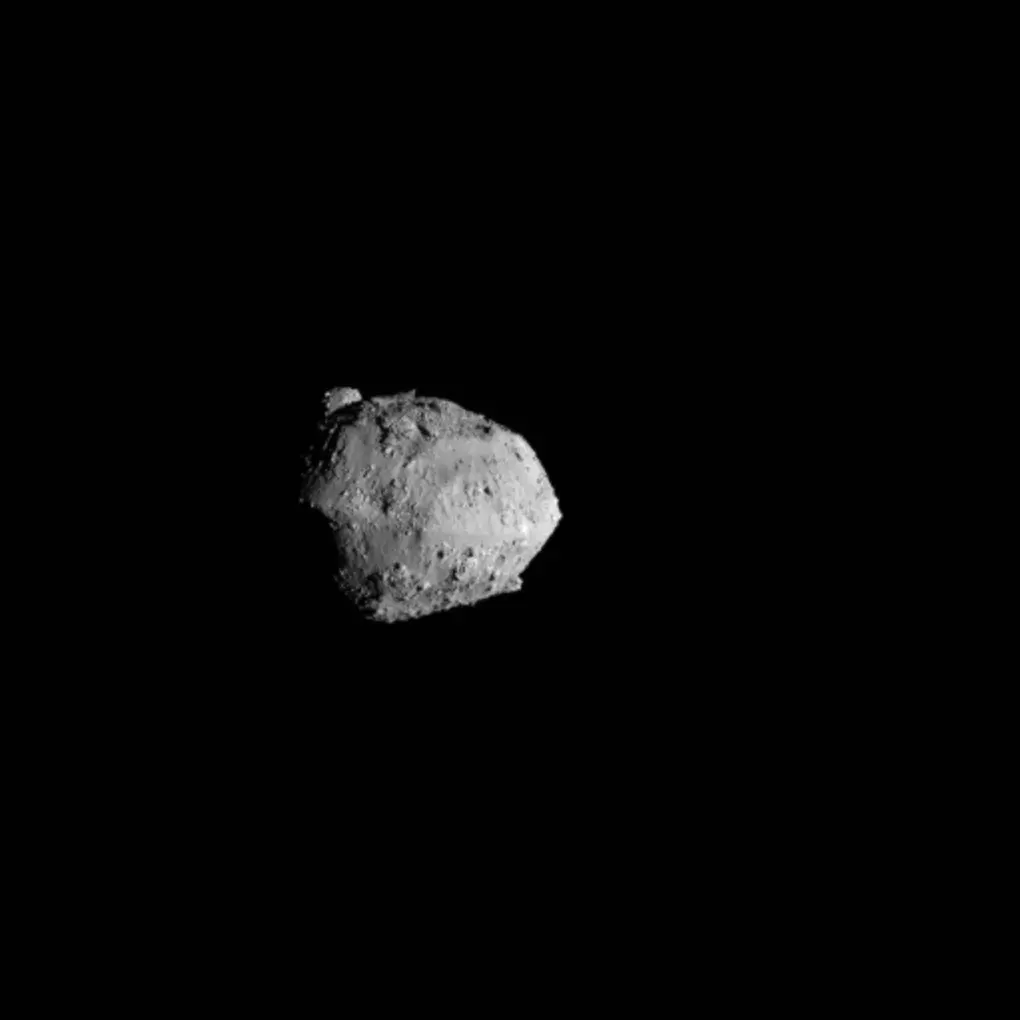
Hera Spacecraft Peeks at Asteroid Moonlet
Europe’s Hera spacecraft is visiting the Dimorphos-Didymos asteroid system to take a close look at the aftermath of NASA’s impact in 2022. The post Hera Spacecraft Peeks at Asteroid Moonlet appeared first on Sky & Telescope.
-
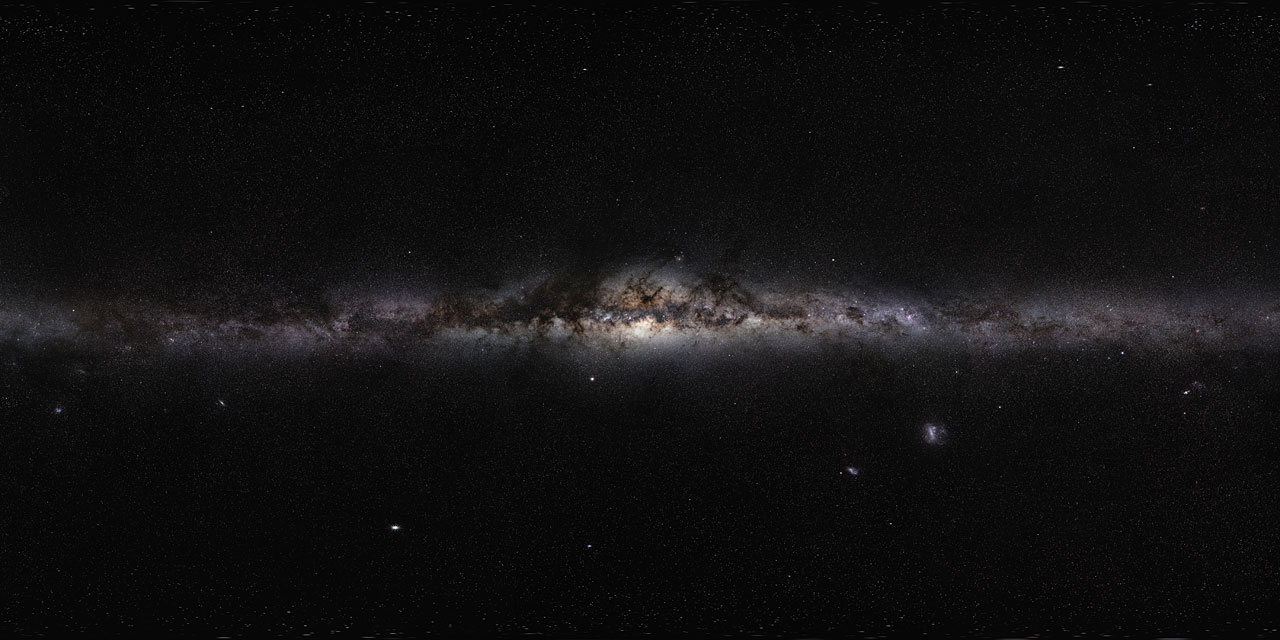
Mountain-sized asteroid 1999 AN10 to pass close to Earth in 2027
Asteroid 1999 AN10, which might be a mile wide, will pass Earth on August 7, 2027, about 1 lunar distance away. The encounter poses no danger. The post Mountain-sized asteroid 1999 AN10 to pass close to Earth in 2027 first appeared on EarthSky.
-
This Week’s Sky at a Glance, November 13 – 22
Jupiter and Mars creep through their pre-dawn conjunction this week. Far lower left of them, Venus and Mercury rise to shine in early dawn. The post This Week’s Sky at a Glance, November 13 – 22 appeared first on Sky & Telescope.
-
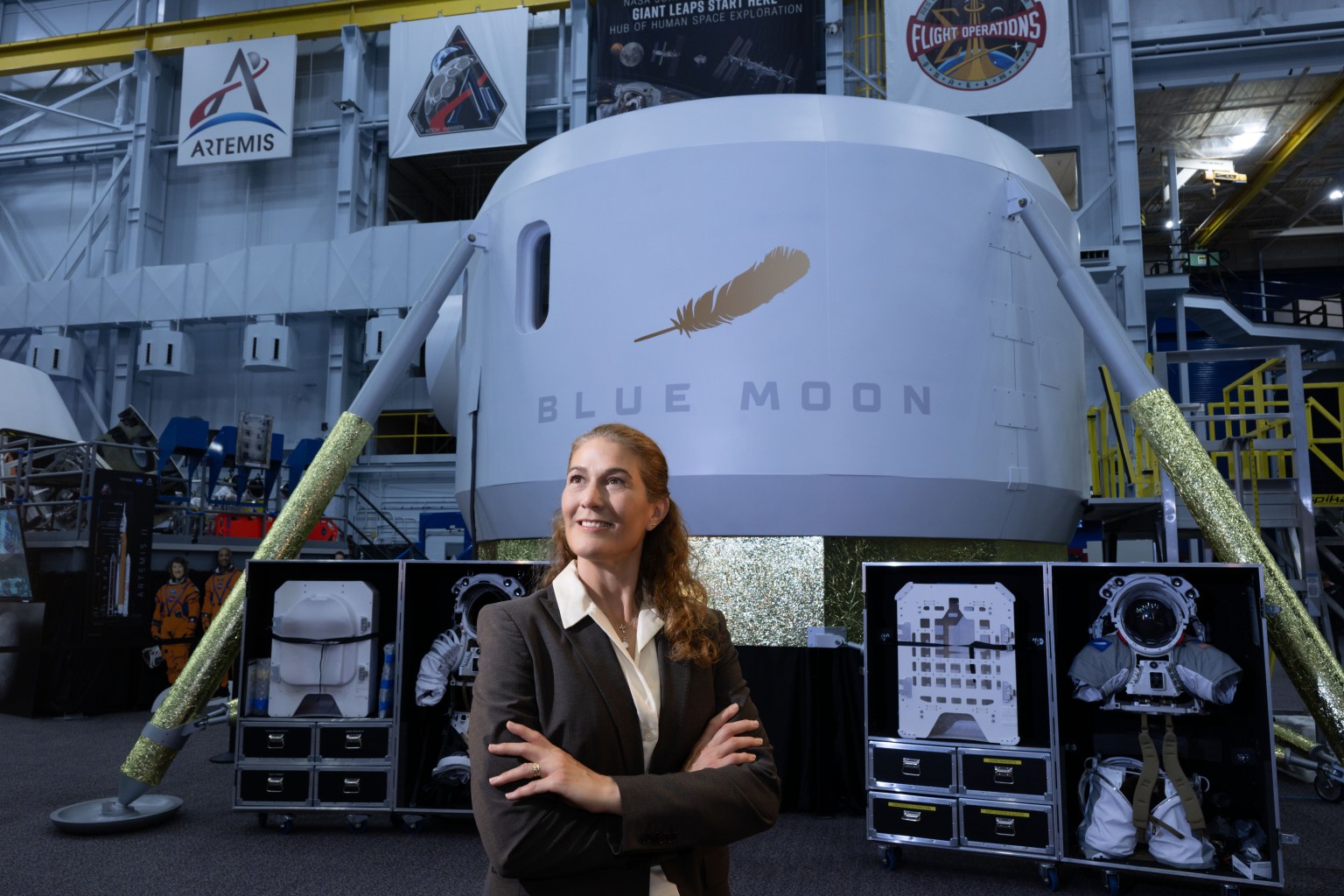
I Am Artemis Katie Spicer
For Katie Spicer, embracing opportunity and challenge has led to giant leaps during her time at NASA. Now as the NASA lander integration lead for Blue Origin’s Blue Moon Mark 2 lander, one of the commercially provided human landing systems for NASA’s Artemis program, Spicer will have her handprint on history. Spicer works in the…
-
Nazywam się Artemis Katie Spicer.
Dla Katie Spicer przyjmowanie możliwości i wyzwań doprowadziło do ogromnych postępów podczas jej pracy w NASA. Obecnie jako kierownik integracji lądownika NASA dla lądownika Blue Moon Mark 2 firmy Blue Origin, jednego z komercyjnie dostarczanych systemów lądowania dla programu Artemis NASA, Spicer pozostawi swój ślad w historii. Spicer pracuje w […]
-
Nov. 12, 2014: The Philae lander touches down on a comet
The European Space Agency’s Rosetta mission launched March 2, 2004, on a 4-billion-mile (6.4 billion kilometers) path to Comet 67P/Churyumov-Gerasimenko. The mission consisted of the Rosetta orbiter and the Philae lander, both designed for in-depth study of the comet. The spacecraft arrived at 67P/C-G on Aug. 6, 2014, and began orbiting the body a monthContinue…
-
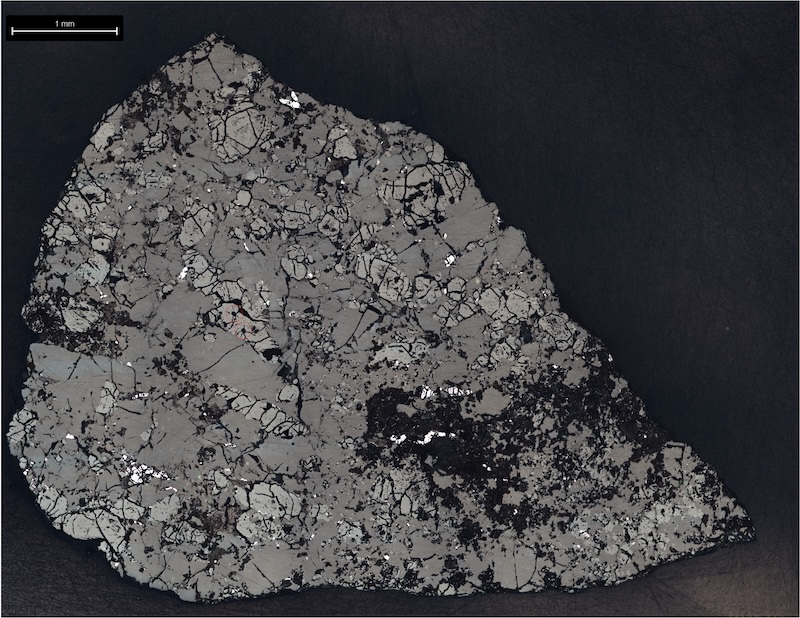
‘Rosetta Stone for Mars:’ Martian meteorite hints at ancient life
A rare 4.1-billion-year-old Martian meteorite, Teghaza 001, provides new clues about Mars’ ancient and more habitable past. The post ‘Rosetta Stone for Mars:’ Martian meteorite hints at ancient life first appeared on EarthSky.
-
The Ice Giants’ Magnetic Fields are Very Strange Compared to Earth’s
Uranus and Neptune, the Solar System’s ice giants, have interiors unlike the other planets. As a result, they also have magnetic fields unlike the others. They’re messy and tilted, and Voyager 2, the only spacecraft to even flyby them, showed us how messy they are. New research uses models to try to understand what’s going…
-
Pola magnetyczne lodowych olbrzymów są bardzo dziwne w porównaniu z ziemskim
Uran i Neptun, lodowe olbrzymy Układu Słonecznego, mają wnętrza różniące się od innych planet. W rezultacie ich pola magnetyczne również są nietypowe. Są one nieregularne i nachylone, a sonda Voyager 2, jedyny statek kosmiczny, który przeleciał obok tych planet, pokazała nam, jak bardzo są one nieregularne. Nowe badania wykorzystują modele, aby spróbować zrozumieć, co dzieje…