Kategoria: Misje kosmiczne
-
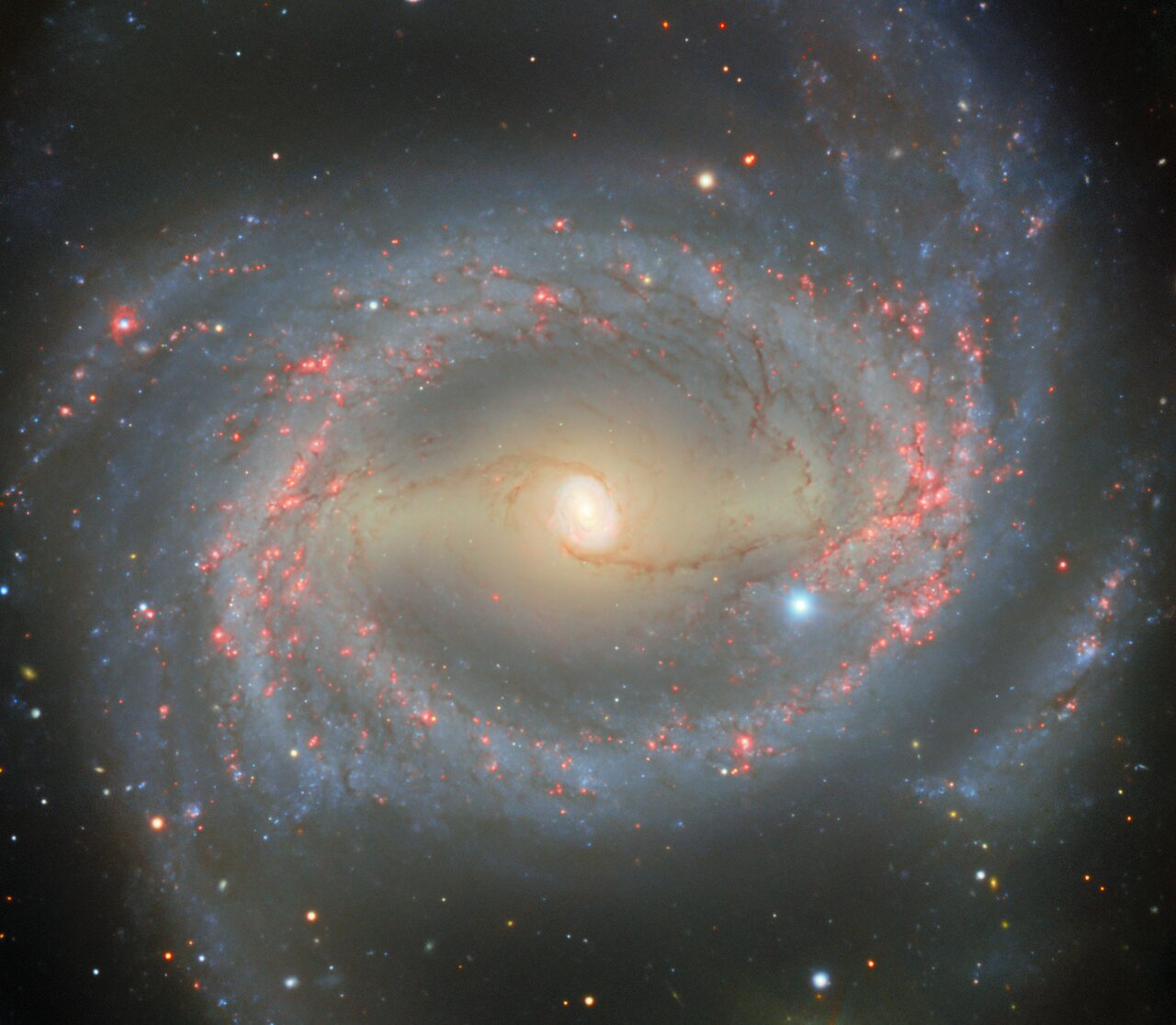
Photo Release: NSF NOIRLab-operated Facilities Capture Brightening Nearby Supernova
Newly discovered supernova SN 2026ahvu in the nearby spiral galaxy NGC 1433 bedazzles new images from the Dark Energy Camera and the International Gemini Observatory. Caught early and still approaching its expected maximum brightness, SN 2026ahvu gives astronomers a valuable opportunity to study a stellar explosion as it unfolds. NSF NOIRLab is coordinating observations across…
-
Komunikat prasowy: Obiekty zarządzane przez NSF NOIRLab uchwyciły jaśniejącą pobliską supernową
Niedawno odkryta supernowa SN 2026ahvu w pobliskiej galaktyce spiralnej NGC 1433 zachwyca nowymi obrazami z kamery Dark Energy Camera i Obserwatorium Gemini. Uchwycona wcześnie i wciąż zbliżająca się do przewidywanego maksimum jasności, SN 2026ahvu daje astronomom cenną okazję do badania wybuchu gwiazdy w trakcie jego trwania. NSF NOIRLab koordynuje obserwacje w obiektach, którymi zarządza, współpracując…
-
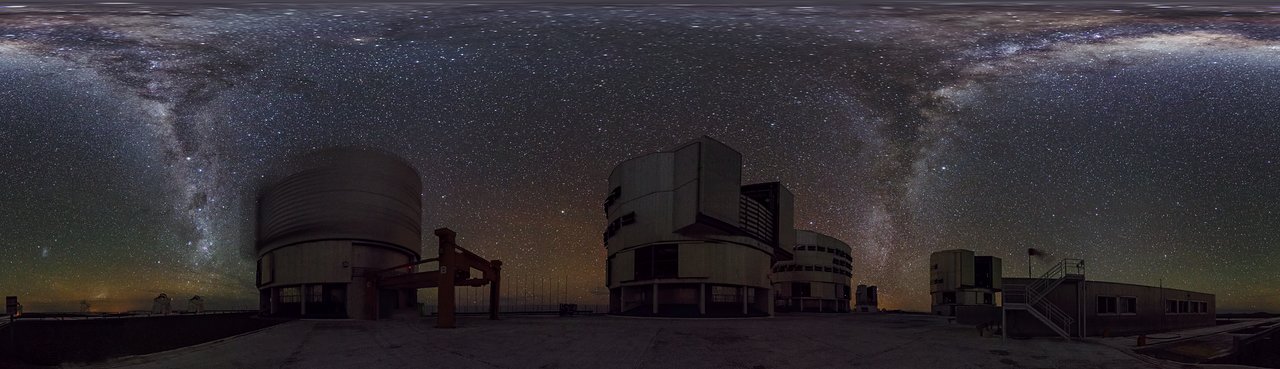
Euclid Space Telescope Is Filling Its Treasure Chest
With 30 times more sky surveyed and thousands of new strong-lens candidates found, the European satellite’s latest data release lays the groundwork for cosmology breakthroughs. The post Euclid Space Telescope Is Filling Its Treasure Chest appeared first on Sky & Telescope.
-
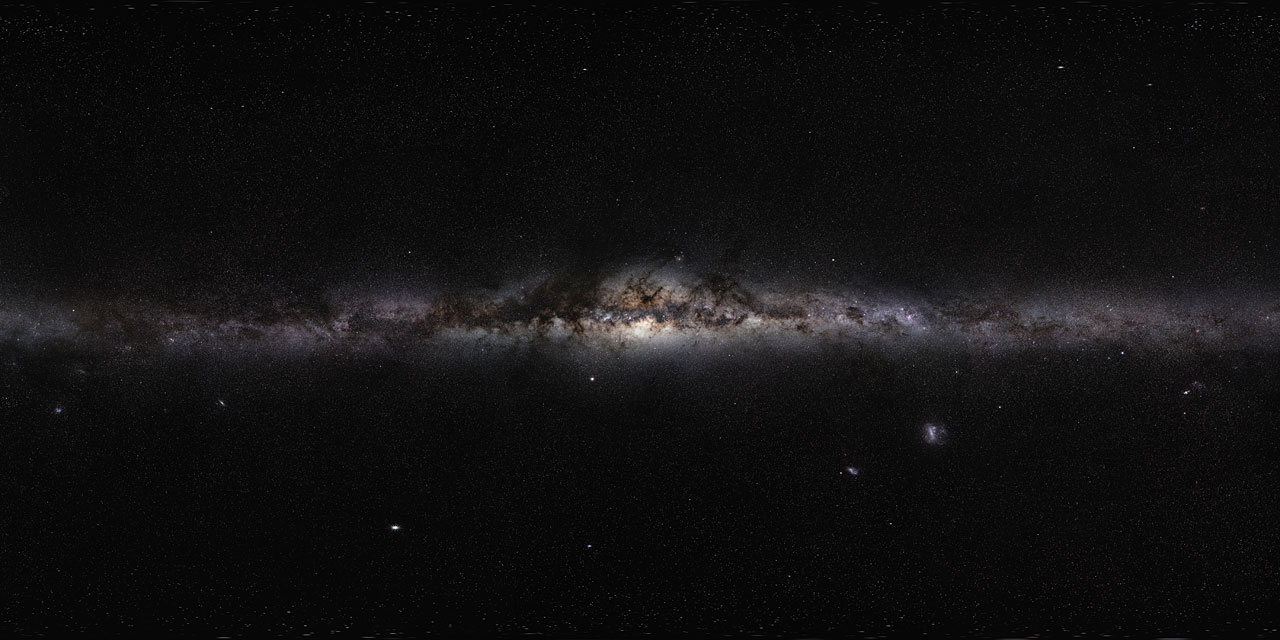
Nov. 12, 2014: The Philae lander touches down on a comet
The European Space Agency’s Rosetta mission launched March 2, 2004, on a 4-billion-mile (6.4 billion kilometers) path to Comet 67P/Churyumov-Gerasimenko. The mission consisted of the Rosetta orbiter and the Philae lander, both designed for in-depth study of the comet. The spacecraft arrived at 67P/C-G on Aug. 6, 2014, and began orbiting the body a monthContinue…
-
The Ice Giants’ Magnetic Fields are Very Strange Compared to Earth’s
Uranus and Neptune, the Solar System’s ice giants, have interiors unlike the other planets. As a result, they also have magnetic fields unlike the others. They’re messy and tilted, and Voyager 2, the only spacecraft to even flyby them, showed us how messy they are. New research uses models to try to understand what’s going…
-
Pola magnetyczne lodowych olbrzymów są bardzo dziwne w porównaniu z ziemskim
Uran i Neptun, lodowe olbrzymy Układu Słonecznego, mają wnętrza różniące się od innych planet. W rezultacie ich pola magnetyczne również są nietypowe. Są one nieregularne i nachylone, a sonda Voyager 2, jedyny statek kosmiczny, który przeleciał obok tych planet, pokazała nam, jak bardzo są one nieregularne. Nowe badania wykorzystują modele, aby spróbować zrozumieć, co dzieje…
-
ZWO introduces the Seestar S30 Plus
ZWO has added a new entry point to its smart telescope lineup. The Seestar S30 Plus went on sale Nov. 10 for $499 — $474 for a limited time — undercutting the S30 Pro by $200 and making it the cheapest Seestar available. “Many people are interested in astrophotography but hesitate when they see theContinue…
-
ZWO wprowadza Seestar S30 Plus
ZWO dodało nowe wejście do swojej linii inteligentnych teleskopów. Seestar S30 Plus trafił do sprzedaży 10 listopada w cenie 499 dolarów – 474 dolarów przez ograniczony czas – podcinając cenę S30 Pro o 200 dolarów i czyniąc go najtańszym dostępnym Seestarem. Wielu ludzi interesuje się astrofotografią, ale wahają się, gdy widzą, jak skomplikowane może to…
-
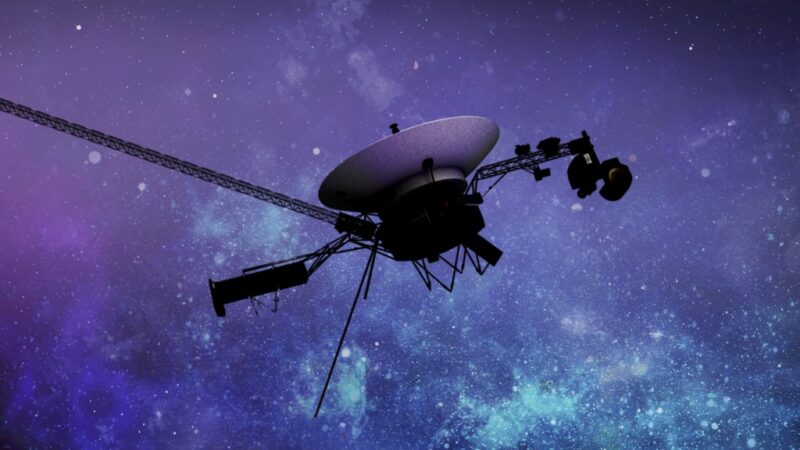
Celebrate as Voyager 1 reaches 1 light-day from Earth! Here’s how
The Voyager 1 spacecraft — launched from Earth in 1977 — will become the 1st human-made object to reach 1 light-day from Earth on November 18. The post Celebrate as Voyager 1 reaches 1 light-day from Earth! Here’s how first appeared on EarthSky.
-
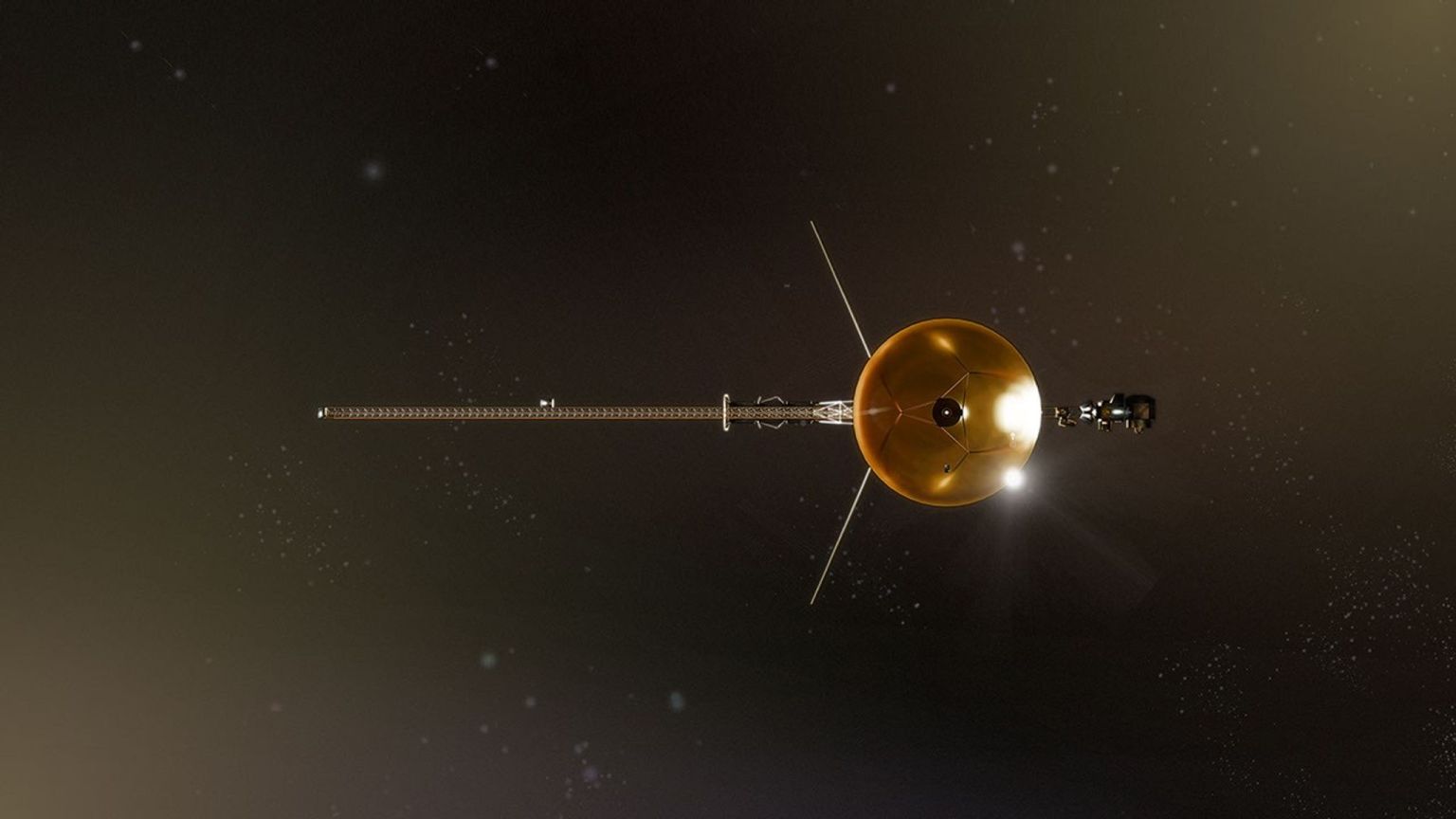
NASA Invites Media, Public to Join Voyager 1 One-Light Day Activities
Launched nearly 50 years ago in 1977, NASA’s Voyager 1 on Wednesday, Nov. 18 will have traveled one light-day from Earth, which is more than 16 billion miles (25.9 billion kilometers). Voyager 1 is the most distant human-made object, and any light from Earth would take 24 hours to reach the spacecraft. NASA will highlight…