Kategoria: Kosmologia
-
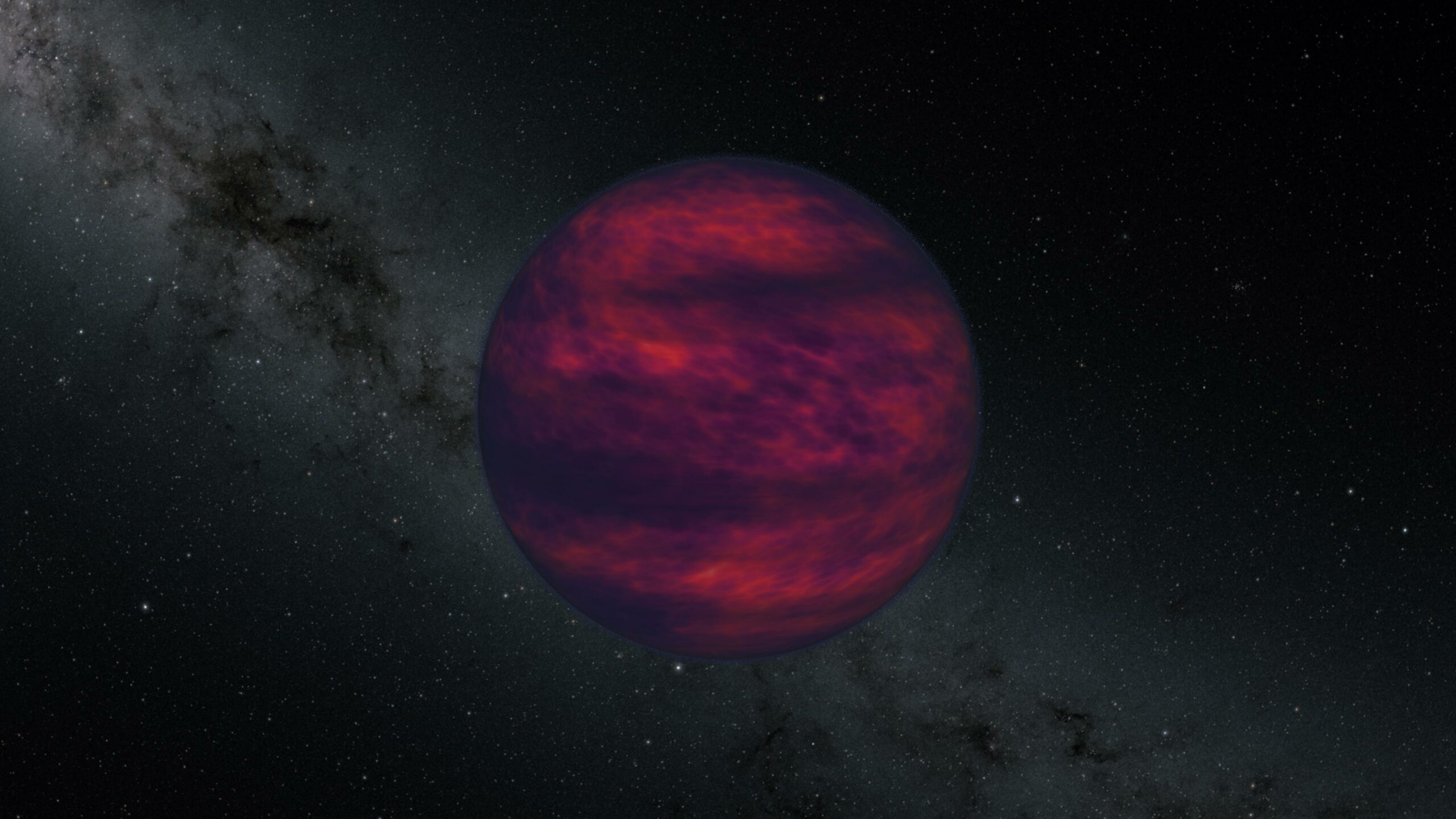
Il telescopio SPHEREx della NASA osserva la collezione di nane brune
Il telescopio spaziale SPHEREx della NASA (Spectro-Photometer for the History of the Universe, Epoch of Reionization e Ices Explorer) sta facendo luce sulle nane marroni, oggetti celesti che sfumano il confine tra stelle ed esopianeti. Nuove scoperte pubblicate su The Astrophysical Journal mostrano che questi mondi bui e nuvolosi hanno atmosfere chimicamente ricche non dissimili…
-
El telescopio SPHEREx de la NASA detecta la colección de enanas marrones
El telescopio espacial SPHEREx (Spectro-Photometer for the History of the Universe, Epoch of Reionization y Ice Explorer) de la NASA está arrojando luz sobre enanas marrones, objetos celestes que difuminan la línea entre estrellas y exoplanetas. Nuevos hallazgos publicados en The Astrophysical Journal muestran que estos mundos oscuros y nublados tienen atmósferas químicamente ricas no…
-
Le télescope SPHEREx de la NASA observe une ménagerie de naines brunes
Le télescope spatial SPHEREx (Spectro-Photometer for the History of the Universe, Epoch of Reionization, and Ices Explorer) de la NASA éclaire les naines brunes, des objets célestes qui brouillent la frontière entre étoiles et exoplanètes. De nouvelles découvertes publiées dans The Astrophysical Journal montrent que ces mondes sombres et nuageux possèdent des atmosphères riches en…
-
Das SPHEREx-Teleskop der NASA sieht eine Menagerie von Braunzwergen
Das NASA-Weltraumteleskop SPHEREx (Spectro-Photometer for the History of the Universe, Epoch of Reionization, and Ices Explorer) wirft Licht auf braune Zwerge, Himmelskörper, die die Grenze zwischen Sternen und Exoplaneten verwischen. Neue Erkenntnisse, veröffentlicht im Astrophysical Journal, zeigen, dass diese dunklen und wolkigen Welten chemisch reiche Atmosphären besitzen, ähnlich den riesigen […]
-
Teleskop NASA SPHEREx obserwuje menażerię brązowych karłów
Teleskop kosmiczny NASA SPHEREx (Spectro-Photometer for the History of the Universe, Epoch of Reionization i Ices Explorer) rzuca światło na brązowe karły, obiekty niebieskie zacierające granicę między gwiazdami a egzoplanetami. Nowe odkrycia opublikowane w The Astrophysical Journal pokazują, że te ciemne i pochmurne światy mają chemicznie bogate atmosfery podobne do olbrzymich […]
-
NASA’s SPHEREx Telescope Sees Menagerie of Brown Dwarfs
NASA’s SPHEREx (Spectro-Photometer for the History of the Universe, Epoch of Reionization, and Ices Explorer) space telescope is shedding light on brown dwarfs, celestial objects that blur the line between stars and exoplanets. New findings published in The Astrophysical Journal show that these dark and cloudy worlds have chemically rich atmospheres not unlike the giant…
-
Webb misura la distanza al lampo radio più veloce, suggerendo l’origine
Scoperti per la prima volta nel 2007, i lampi radio veloci sono enigmatici lampi di emissione radio che durano millisecondi provenienti dall’universo lontano. La loro origine rimane incerta, soprattutto perché la maggior parte viene vista una volta e mai più. Gli astronomi che utilizzano il James Webb Space Telescope della NASA hanno individuato la galassia…
-
Webb mide la distancia a la ráfaga de radio más rápida más lejana, sugiriendo su origen
Descubiertos por primera vez en 2007, los ráfagas rápidas de radio son enigmáticos destellos de emisión de radio de milisegundos de duración desde el universo lejano. Su origen sigue siendo incierto, especialmente porque la mayoría se ven una vez y nunca más. Astrónomos que utilizan el Telescopio Espacial James Webb de la NASA han localizado…
-
Webb mesure la distance à la plus grande rafale radio, suggérant son origine
Découvertes pour la première fois en 2007, les éclairs radio rapides sont des flashs énigmatiques d’émissions radio d’une milliseconde provenant de l’univers lointain. Leur origine reste incertaine, d’autant plus que la plupart sont observés une fois et plus jamais. Des astronomes utilisant le télescope spatial James Webb de la NASA ont localisé la galaxie hôte…
-
Webb misst die Entfernung bis zum entferntesten schnellsten Radio-Burst, was auf den Ursprung hindeutet
Erstmals 2007 entdeckt, sind schnelle Radiobursts rätselhafte, millisekundenlange Blitze von Radioemission aus dem fernen Universum. Ihr Ursprung bleibt ungewiss, insbesondere da die meisten nur einmal gesehen und nie wieder gesehen werden. Astronomen mit dem James Webb Space Telescope der NASA haben die Wirtsgalaxie des bisher entferntesten Fast Radio Burst (FRB) bestimmt. Ihre […]