Kategoria: Gwiazdy i mgławice
-
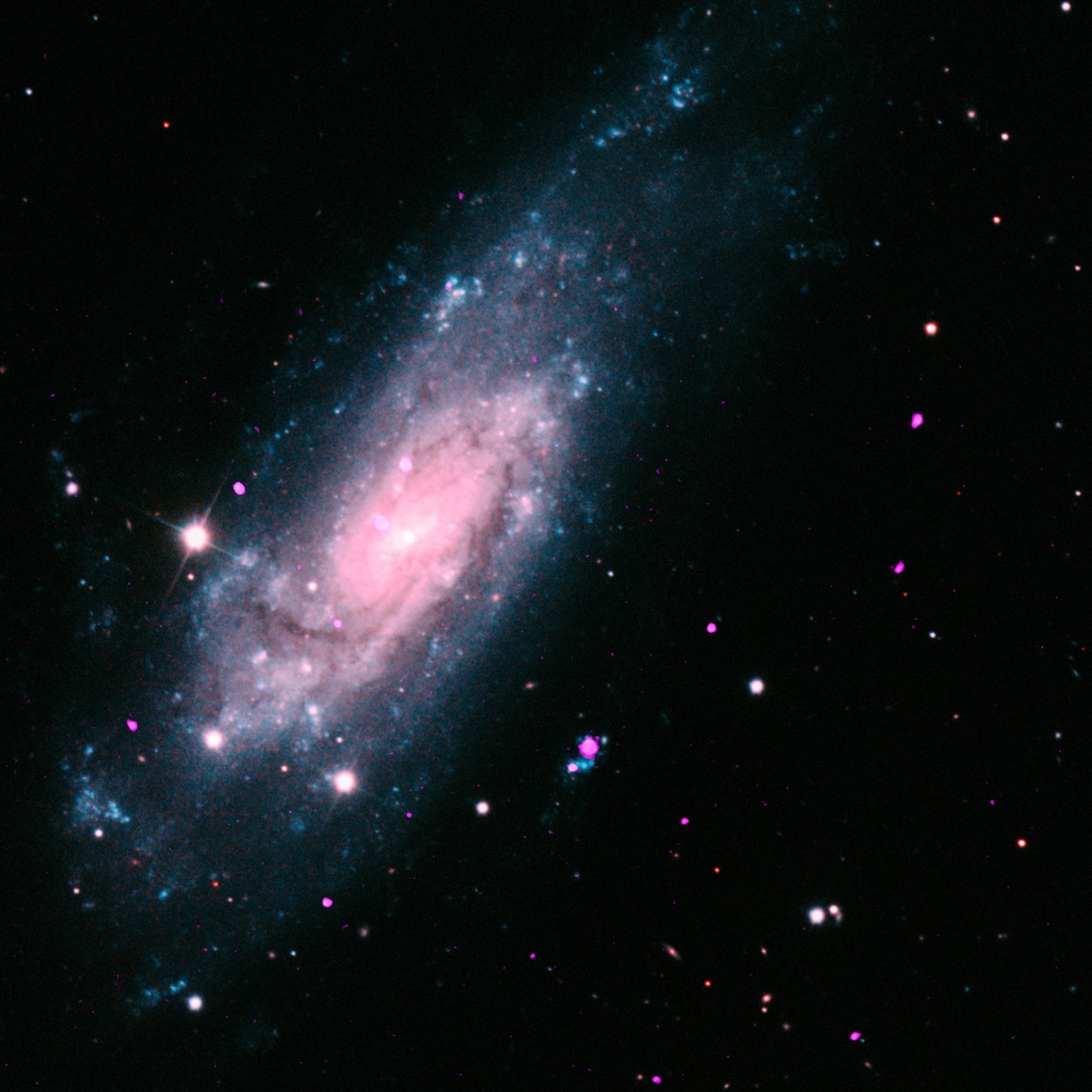
Outbursts from a Massive Star
Using NASA’s Chandra X-ray Observatory, astronomers have discovered what is triggering repeated outbursts from a giant, unstable star located in the galaxy shown in this image released on Nov. 9, 2026. The volatile star, known as AT 2016blu, is in the spiral galaxy NGC 4559, located about 30 million light-years from Earth. Astronomers estimate the…
-
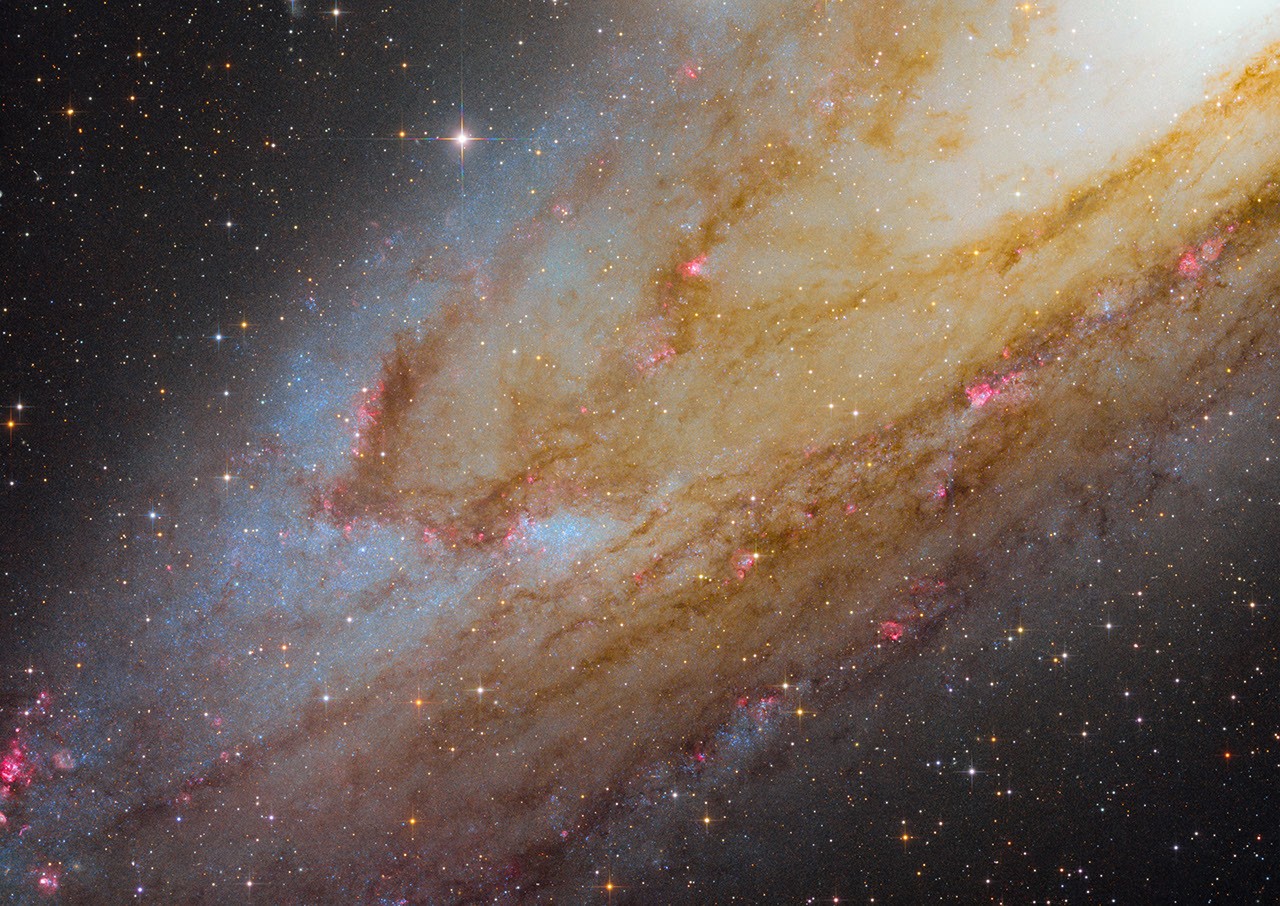
APOD: 2026 November 13 – NGC 206 and the Star Clouds of Andromeda
APOD Science APOD APOD: 2026 November 13 – NGC… Today’s APOD Archive Submissions Index Search Calendar RSS Education About Discuss APOD Astronomy Picture of the Day Discover the cosmos! Each day a different image or photograph of our fascinating universe is featured, along with a brief explanation written by a professional astronomer. NGC 206…
-
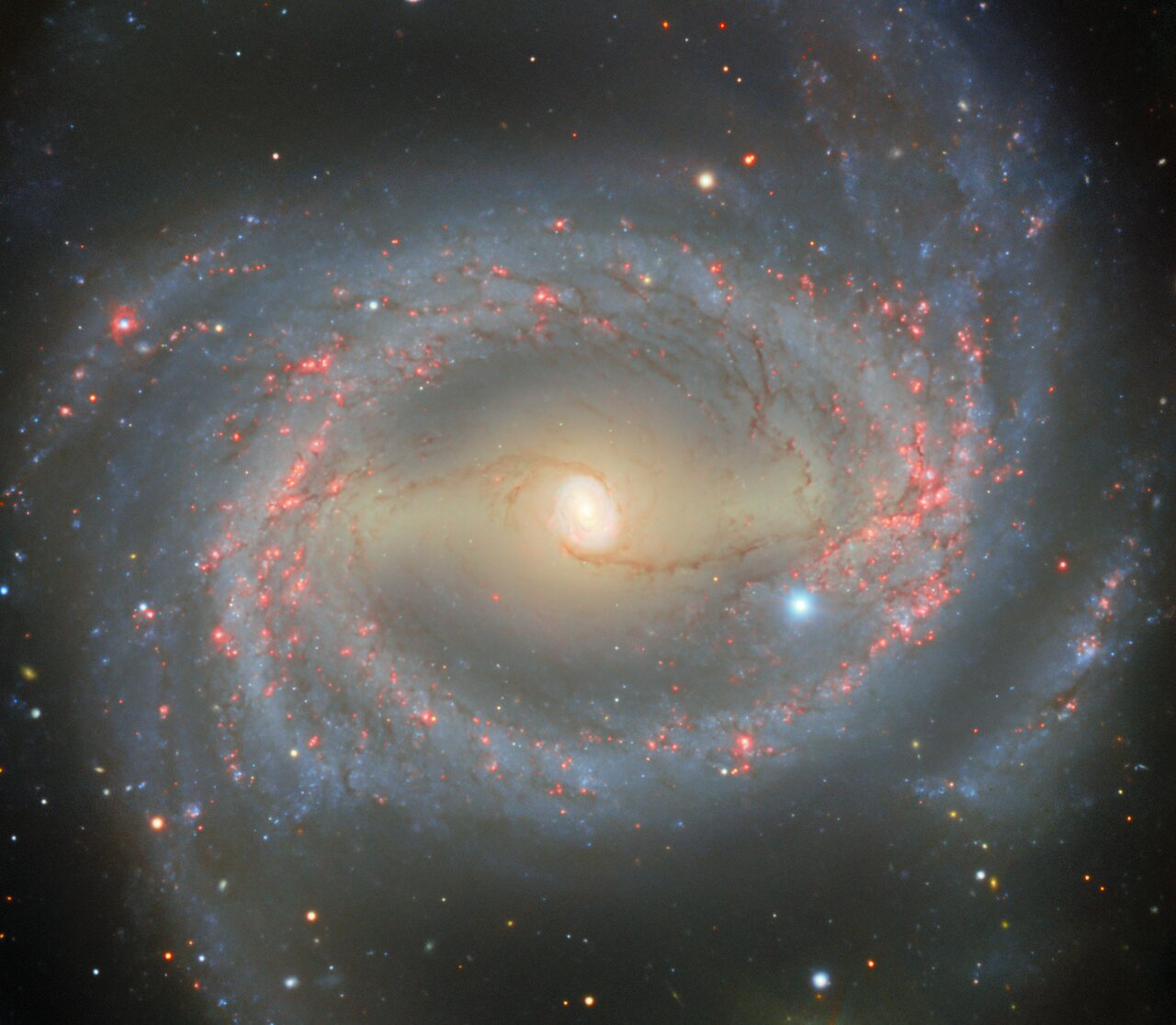
Photo Release: NSF NOIRLab-operated Facilities Capture Brightening Nearby Supernova
Newly discovered supernova SN 2026ahvu in the nearby spiral galaxy NGC 1433 bedazzles new images from the Dark Energy Camera and the International Gemini Observatory. Caught early and still approaching its expected maximum brightness, SN 2026ahvu gives astronomers a valuable opportunity to study a stellar explosion as it unfolds. NSF NOIRLab is coordinating observations across…
-
Komunikat prasowy: Obiekty zarządzane przez NSF NOIRLab uchwyciły jaśniejącą pobliską supernową
Niedawno odkryta supernowa SN 2026ahvu w pobliskiej galaktyce spiralnej NGC 1433 zachwyca nowymi obrazami z kamery Dark Energy Camera i Obserwatorium Gemini. Uchwycona wcześnie i wciąż zbliżająca się do przewidywanego maksimum jasności, SN 2026ahvu daje astronomom cenną okazję do badania wybuchu gwiazdy w trakcie jego trwania. NSF NOIRLab koordynuje obserwacje w obiektach, którymi zarządza, współpracując…
-
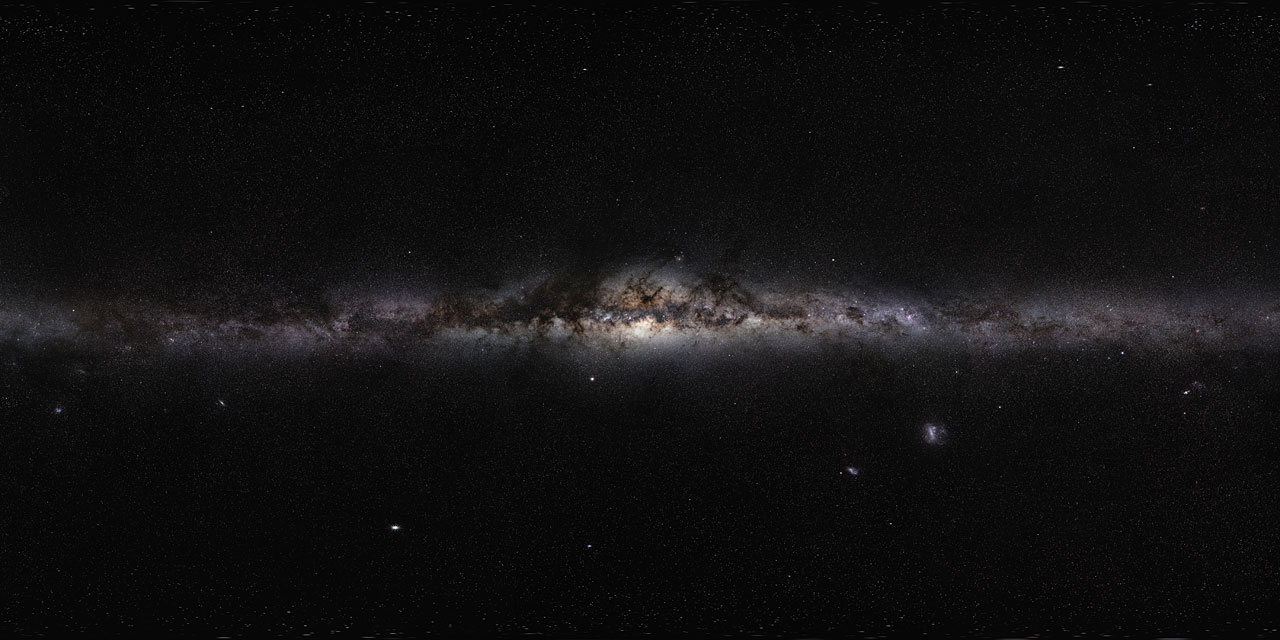
Is This the Star Cluster That Helped Make the Milky Way?
The ancient globular cluster VVV CL001 might be almost as old as the universe. But its claim to fame rests on a single star, meaning more work needs to be done. The post Is This the Star Cluster That Helped Make the Milky Way? appeared first on Sky & Telescope.
-
Czy to gromada gwiazd, która pomogła stworzyć Drogę Mleczną?
Starożytna gromada kulista VVV CL001 może być niemal tak stara jak wszechświat. Jej sława opiera się jednak na jednej gwieździe, co oznacza, że potrzeba więcej pracy. Artykuł Czy to gromada, która pomogła stworzyć Drogę Mleczną? po raz pierwszy pojawił się w Sky & Telescope.
-
Nov. 10, 1861: The birth of Robert Innes
Born Nov. 10, 1861, in Scotland, Robert Thorburn Ayton Innes would reshape our understanding of our cosmic neighborhood when he discovered our nearest stellar neighbor, Proxima Centauri, in 1912. Innes suspected that Alpha Centauri, a binary system made up of Alpha Centauri A (Rigil Kentaurus) and Alpha Centauri B (Toliman) and then thought to beContinue…
-
10 listopada 1861: Narodziny Roberta Innesa
Robert Thorburn Ayton Innes urodził się 10 listopada 1861 roku w Szkocji. Jego odkrycie w 1912 roku najbliższej Słońcu gwiazdy, Proxima Centauri, zrewolucjonizowało nasze rozumienie najbliższego kosmicznego sąsiedztwa Układu Słonecznego. Innes podejrzewał, że Alpha Centauri, układ podwójny składający się z Alpha Centauri A (Rigil Kentaurus) i Alpha Centauri B (Toliman), który uważano za układ podwójnyContinue…
-
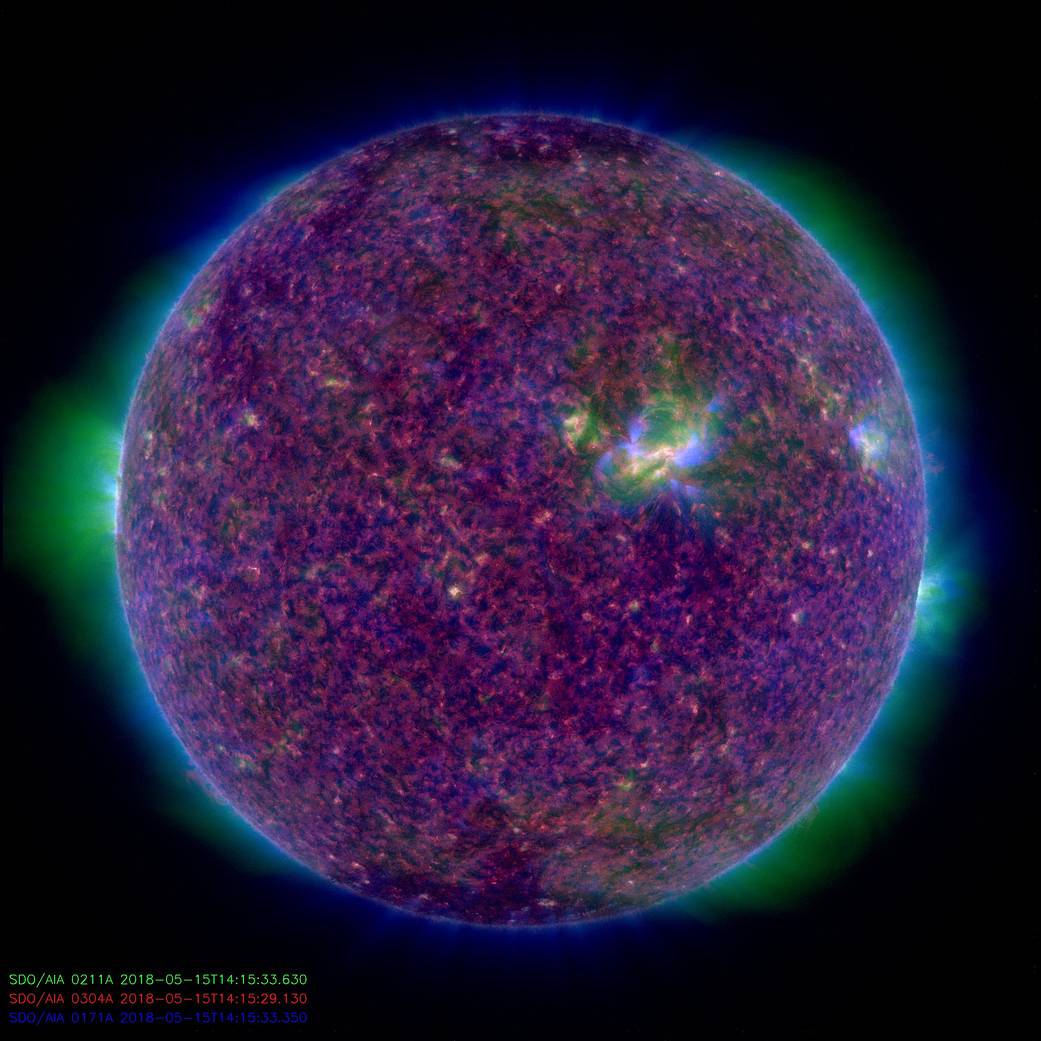
Our Sun’s Undiscovered Stellar Nemesis Is Still Out There, Says Physicist
The decades old idea that our solar system’s Oort Cloud is continually perturbed by a heretofore undetected low mass Red Dwarf star remains the best explanation for periodicities found in Earth’s impact record. Or so says a well known physicist who has long championed this idea.
-
Niewykryty dotąd gwiezdny antagonista Słońca wciąż istnieje, twierdzi fizyk
Pomysł, który ma już kilkadziesiąt lat, że Obłok Oorta naszego Układu Słonecznego jest stale zaburzany przez dotąd niewykrywaną niskomasywną czerwonego karła, pozostaje najlepszym wyjaśnieniem okresowości znalezionych w zapisie uderzeń na Ziemi. Tak twierdzi znany fizyk, który od dawna popiera tę ideę.