Tag: nebula
-
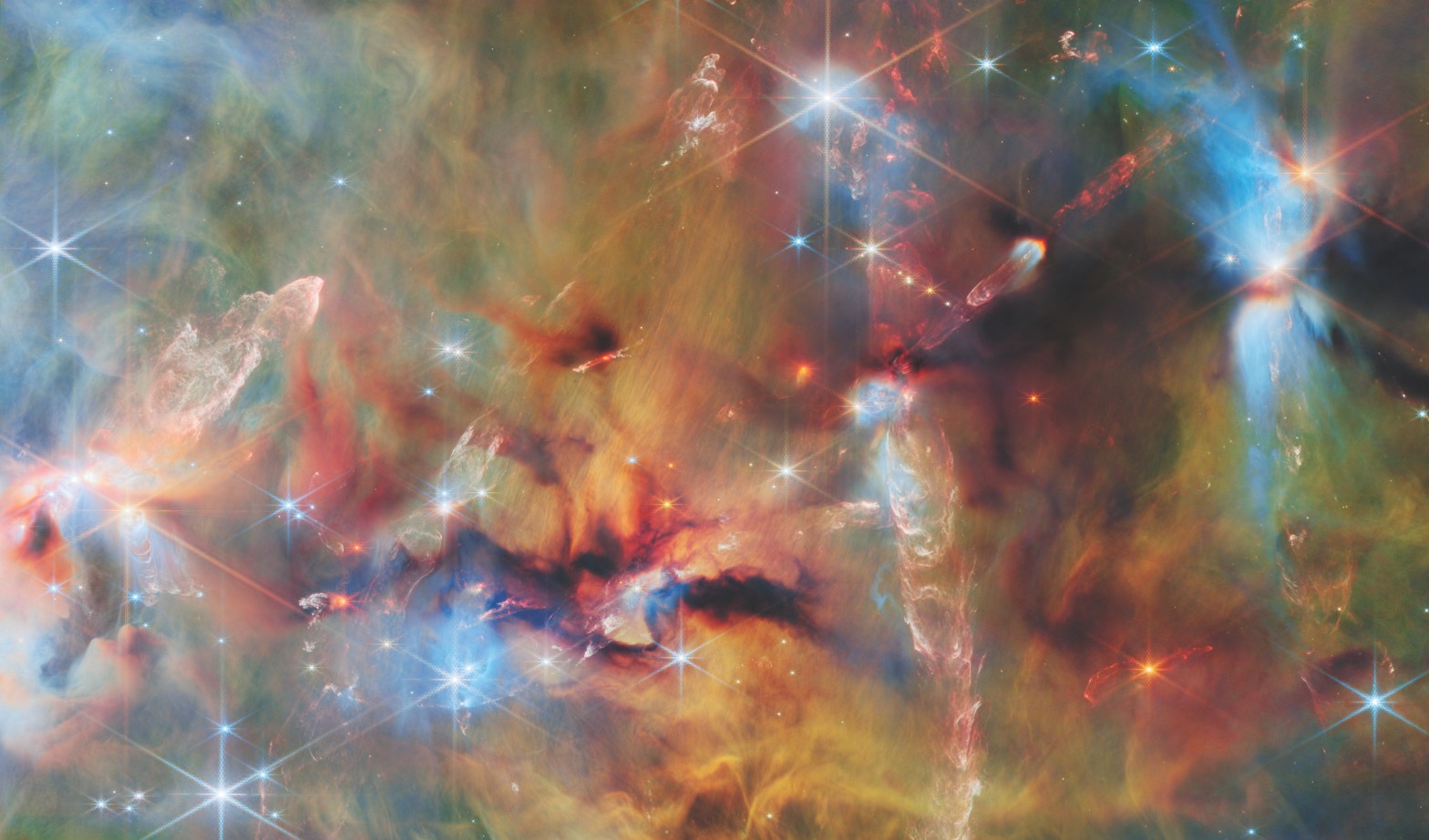
JWST tours Orion’s hidden stellar nursery
Few sights thrill backyard observers as much as the Orion Nebula (M42). The brightest stellar nursery visible from mid-northern latitudes resolves into a complex web of luminous gas and dusty tendrils even through modest telescopes. And at its core, you’ll see the brilliant young stars of the Trapezium Cluster that provide the energy to setContinue…
-
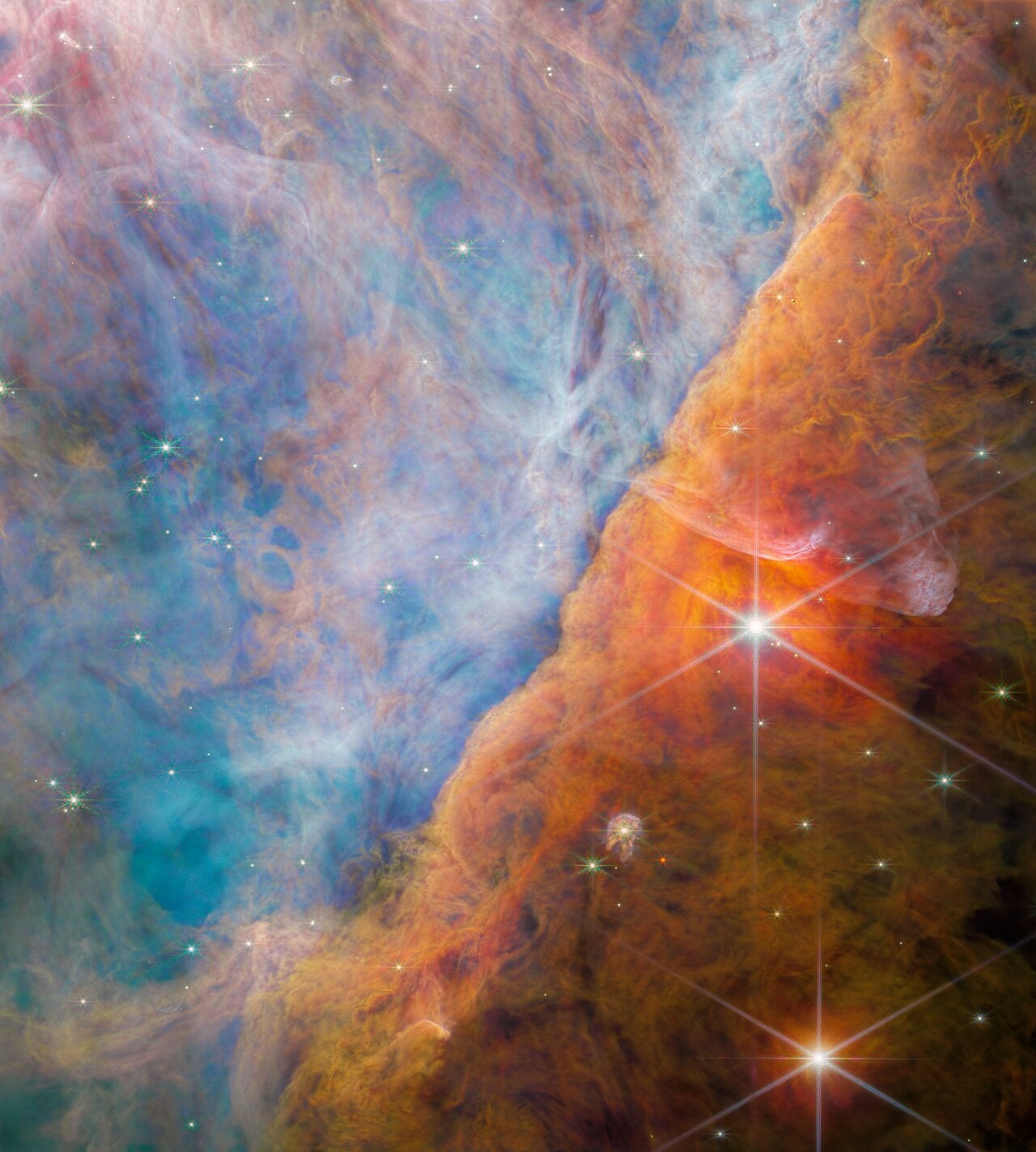
The Chemistry in Stellar Nurseries is Complex, and a New 3D Model Highlights It
Young stars form in molecular clouds, and once they’re turned on, they begin to shape their natal clouds with radiation. Researchers developed a new 3D model of one feature of the Orion Nebula star-forming region called the Orion Bar. Their model matches JWST observations, and explains how the uneven structure in stellar nurseries creates shadowed…
-
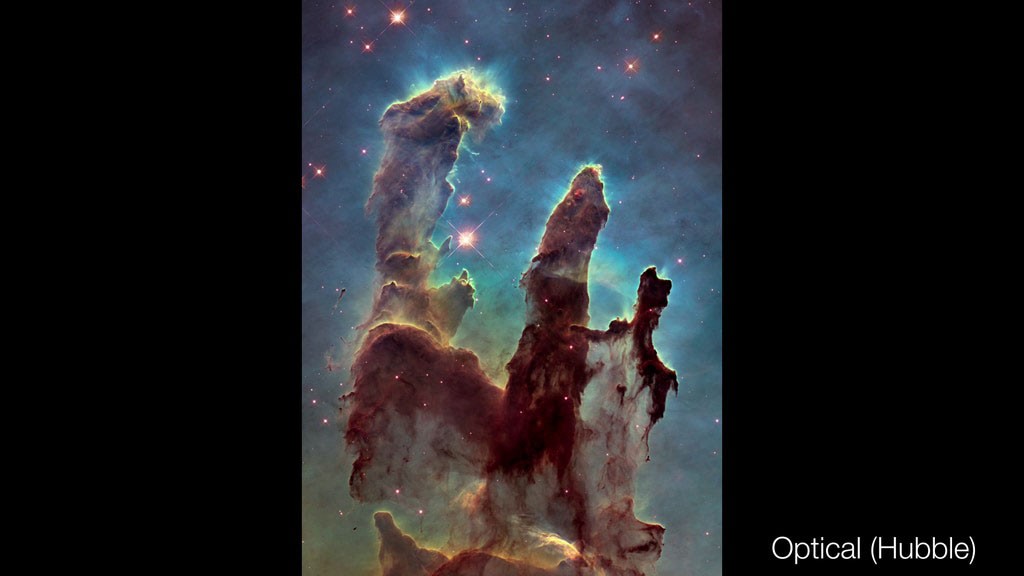
APOD: 2026 October 18 – Sonified: Eagle Nebula Pillars
APOD Science APOD APOD: 2026 October 18 –… Today’s APOD Archive Submissions Index Search Calendar RSS Education About Discuss APOD Astronomy Picture of the Day Discover the cosmos! Each day a different image or photograph of our fascinating universe is featured, along with a brief explanation written by a professional astronomer. Sonified: Eagle Nebula…
-
APOD: 2026 październik 18 – Zsonifikowane: Mgławica Orła Pillars
APOD Science APOD APOD: 18 października 2026 –… Dzisiejsze zgłoszenia do archiwum APOD Indeks wyszukiwania kalendarza RSS Edukacja O stronie Dyskusje APOD Astronomy Picture of the Day Odkrywaj kosmos! Każdego dnia prezentowane jest inne zdjęcie lub fotografia fascynującego wszechświata, wraz z krótkim wyjaśnieniem napisanym przez profesjonalnego astronoma. Sonifikacja: Mgławica Orła […]
-
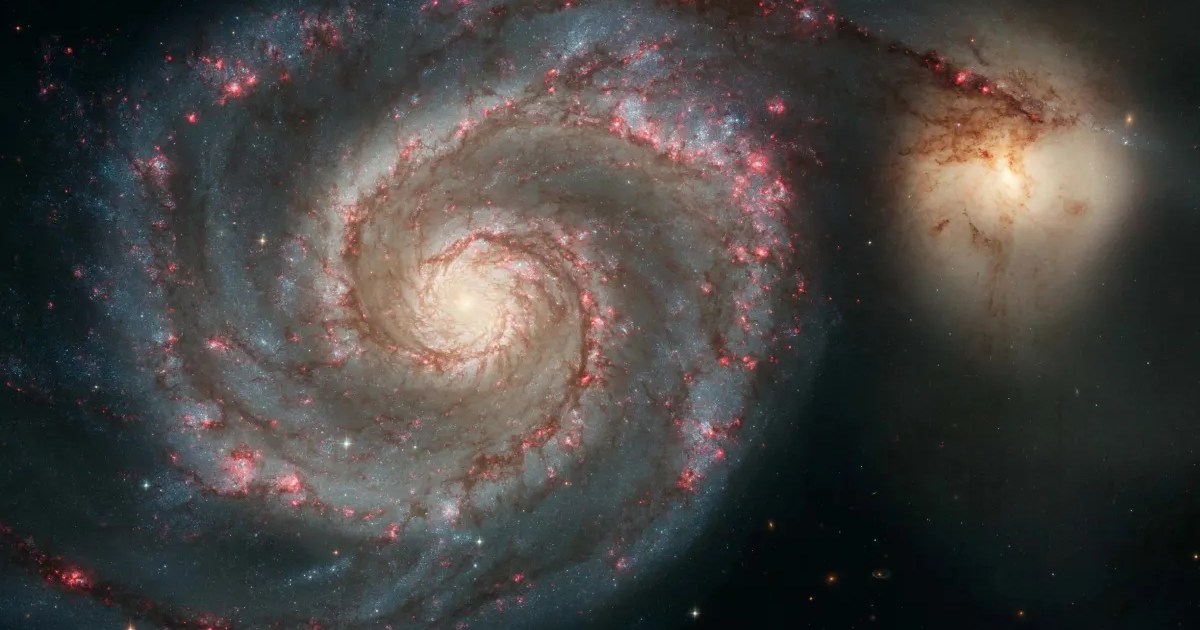
Oct. 13, 1773: The discovery of the Whirlpool Galaxy
On Oct. 13, 1773, Charles Messier spotted the Whirlpool Galaxy (M51) for the first time. Writing of it a few months later, he described the object as a “very faint nebula without any stars”; it would become the 51st entry in his famous catalog of non-comets. In 1781, Messier’s friend and fellow astronomer Pierre MechainContinue…
-
Thrown for a loop
Ionut Nedelcu from Central Bedfordshire, England The Cygnus Loop (Sharpless 2-103), a supernova remnant whose brightest arcs form the Veil Nebula, lies about 2,400 light-years away. Its glowing filaments trace gas heated by the blast wave of a massive star that exploded roughly 10,000 years ago. The imager took 17 hours of exposure in Hα/OIII/RGBContinue…
-
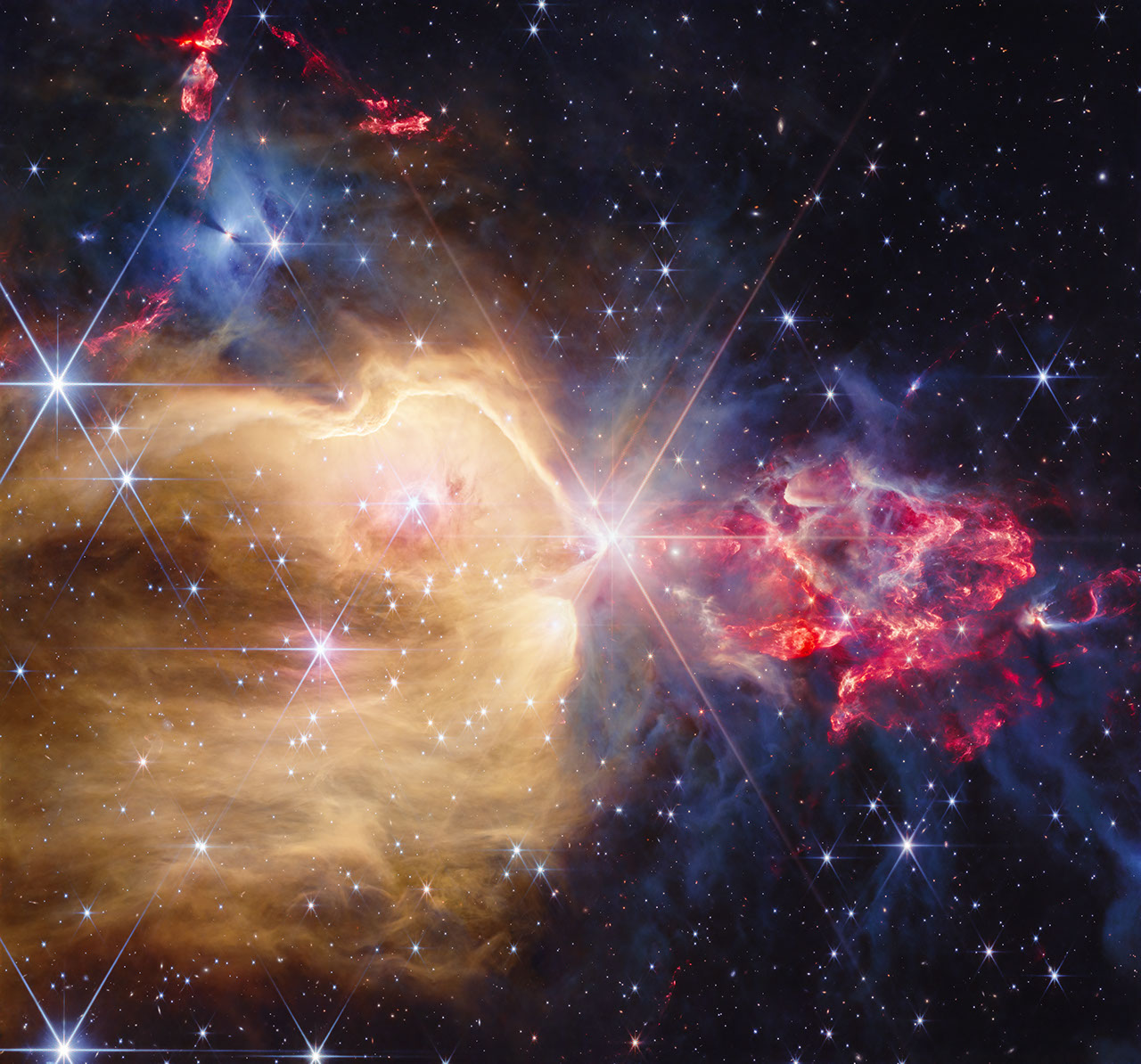
NASA’s Webb Captures Commotion From Nebula’s Stellar Jets
A cauldron of cosmic creation is being revealed in a new image from NASA’s James Webb Space Telescope. Webb has unveiled numerous stars formerly hidden by clouds of dust in a stellar nursery known as NGC 7129, which resides about 3,300 light-years from Earth. Stars, the engines of elemental creation, have life cycles that begin…
-
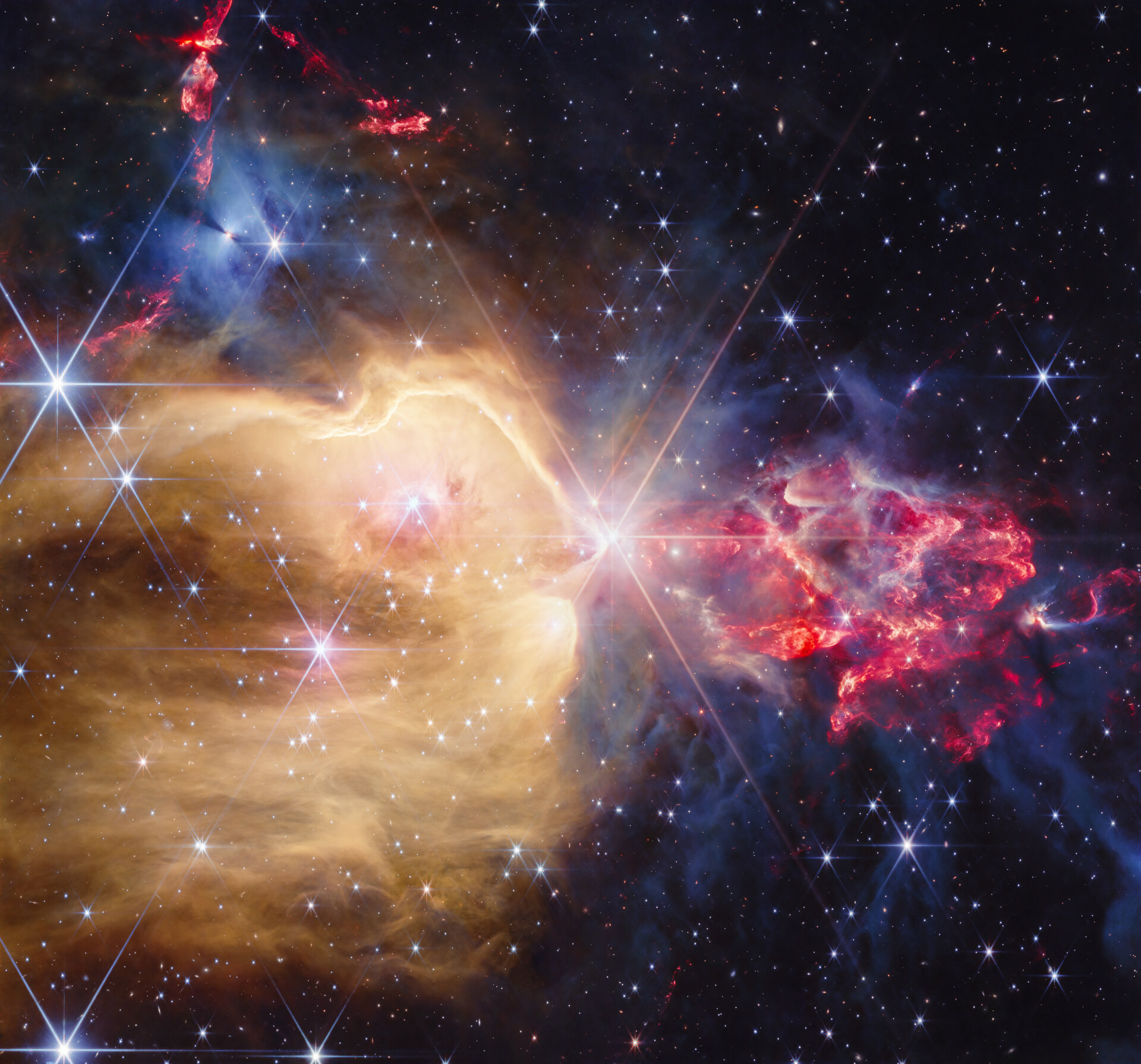
Webb captures commotion from nebula’s stellar jets
Image: Webb captures commotion from nebula’s stellar jets
-
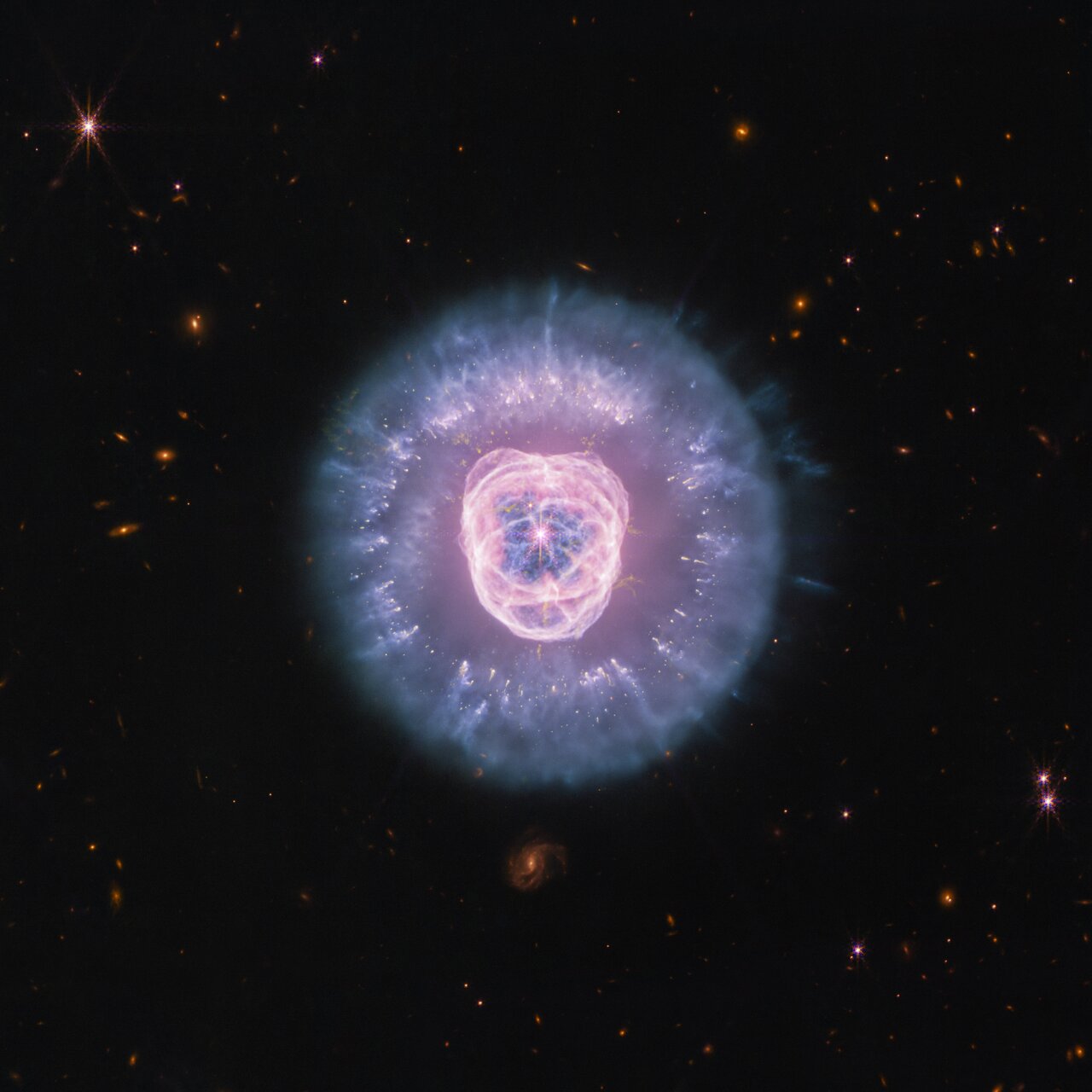
Photo Release: Lion Nebula roars to life for Webb
Observing across the starry “plains” of space, the NASA/ESA/CSA James Webb Space Telescope has taken images of NGC 2392, nicknamed the Lion Nebula.