Tag: galaxy
-
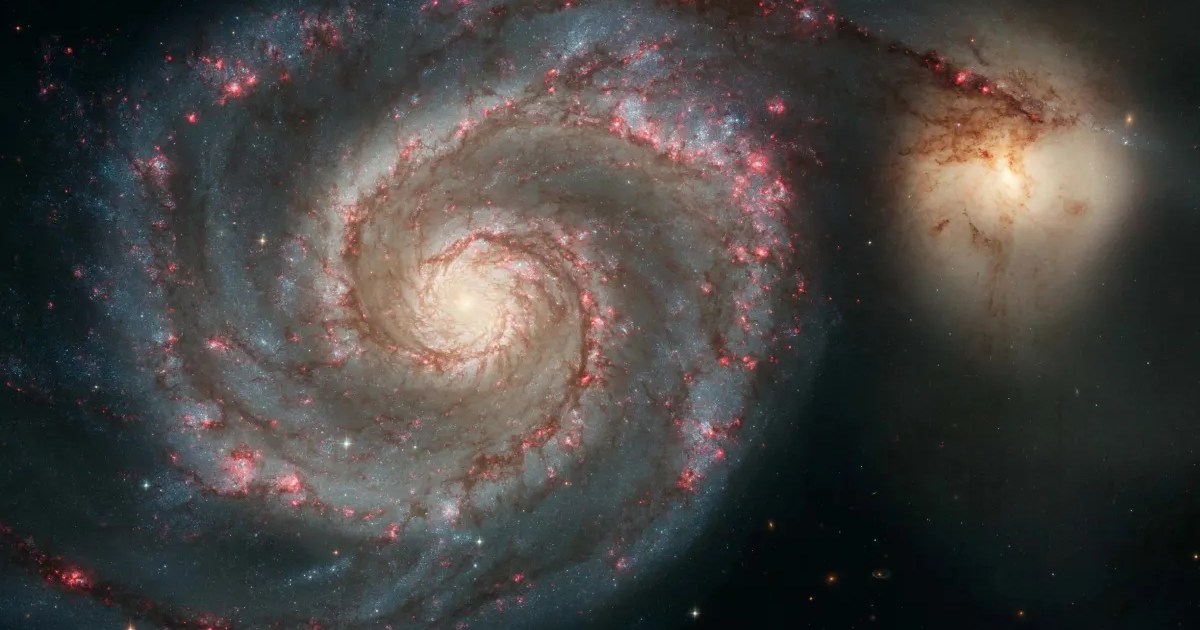
13 października 1773: Odkrycie Galaktyki Whirlpool
13 października 1773 roku Charles Messier po raz pierwszy dostrzegł Galaktykę Whirlpool (M51). Pisząc o niej kilka miesięcy później, opisał obiekt jako „bardzo słabą mgławicę bez gwiazd”; stała się ona 51. wpisem w jego słynnym katalogu nie-komet. W 1781 roku przyjaciel Messiera i kolega astronom, Pierre MechainCzytaj dalej „13 października 1773: Odkrycie Galaktyki Whirlpool” Po…
-
Oct. 13, 1773: The discovery of the Whirlpool Galaxy
On Oct. 13, 1773, Charles Messier spotted the Whirlpool Galaxy (M51) for the first time. Writing of it a few months later, he described the object as a “very faint nebula without any stars”; it would become the 51st entry in his famous catalog of non-comets. In 1781, Messier’s friend and fellow astronomer Pierre MechainContinue…
-
Distant NGC 3137 reveals clues about our own galaxy
Glittering star clusters and ruby-colored emission nebulae pepper the star-studded spiral arms of NGC 3137. The galaxy, which spans nearly 140,000 light-years, spills out of this Hubble image’s frame. The nebulae are stellar nurseries, glowing with emission from hydrogen atoms excited by the massive stars forming inside. The bluish star clusters represent the next stageContinue…
-
Odległy NGC 3137 ujawnia wskazówki dotyczące naszej własnej galaktyki
Błyszczące gromady gwiazd i rubinowe mgławice emisyjne pokrywają gwiezdnaste spiralne ramiona NGC 3137. Galaktyka, która rozciąga się na niemal 140 000 lat świetlnych, wychodzi z ramy tego zdjęcia Hubble’a. Mgławice to gwiezdne żłobki, świecące emisją atomów wodoru pobudzonych przez masywne gwiazdy formujące się w środku. Niebieskawe gromady gwiazd reprezentują kolejny etapCzytaj dalej „Distant NGC 3137…
-
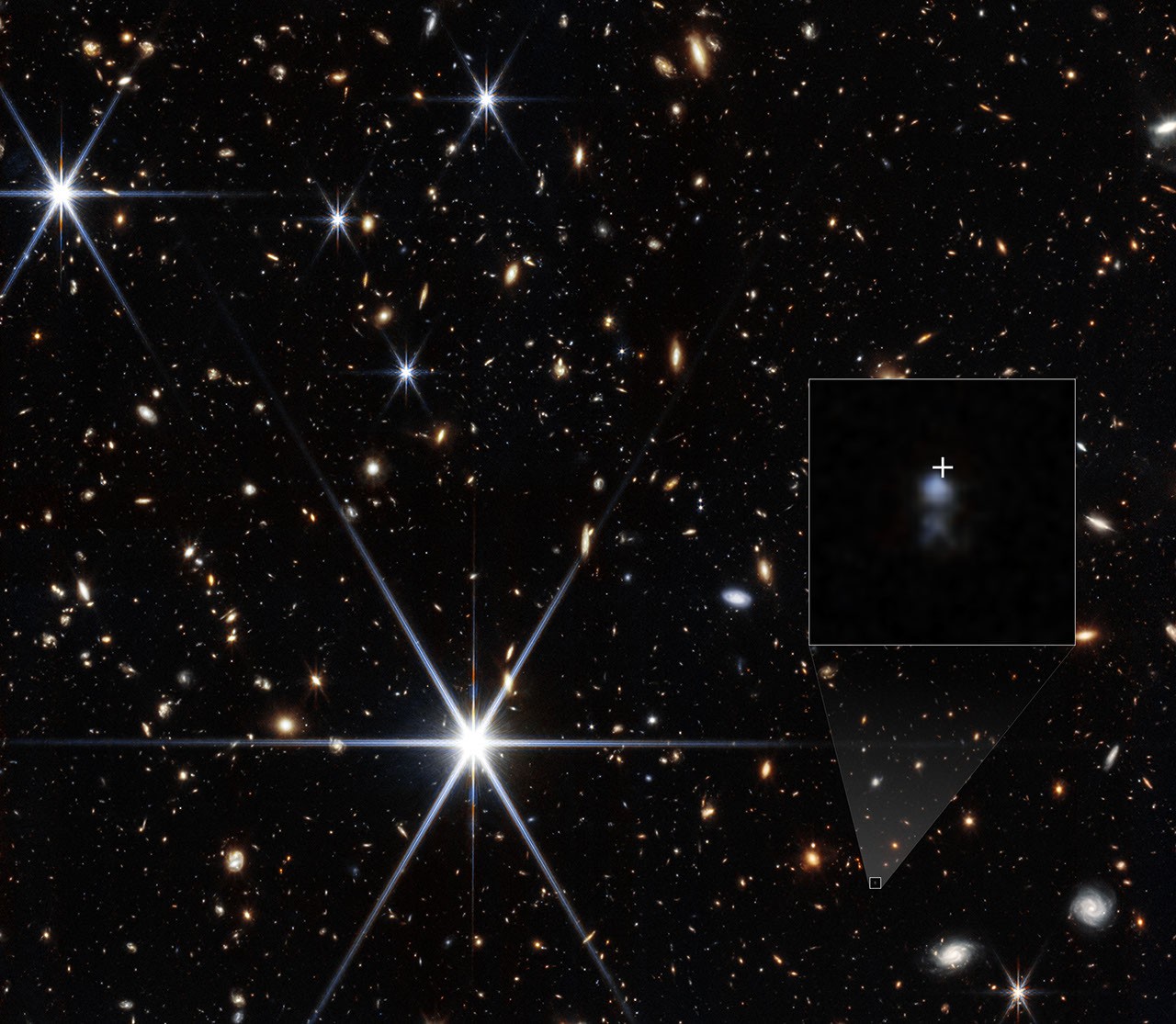
Webb mierzy odległość do najszybszego impulsu radiowego, sugerując jego pochodzenie
Po raz pierwszy odkryte w 2007 roku, szybkie rozbłyski radiowe to enigmatyczne, trwające milisekundy błyski promieniowania radiowego z odległego wszechświata. Ich pochodzenie pozostaje niepewne, zwłaszcza że większość z nich jest widziana raz i nigdy więcej. Astronomowie korzystający z Kosmicznego Teleskopu Jamesa Webba NASA zlokalizowali galaktykę macierzystą najdalszego szybkiego rozbłysku radiowego (FRB), jaki do tej pory…
-
Webb Measures Distance to Farthest Fast Radio Burst, Suggesting Origin
First discovered in 2007, fast radio bursts are enigmatic, millisecond-long flashes of radio emission from the distant universe. Their origin remains uncertain, particularly since most are seen once and never again. Astronomers using NASA’s James Webb Space Telescope have pinpointed the host galaxy of the most distant fast radio burst (FRB) seen to date. Their…
-
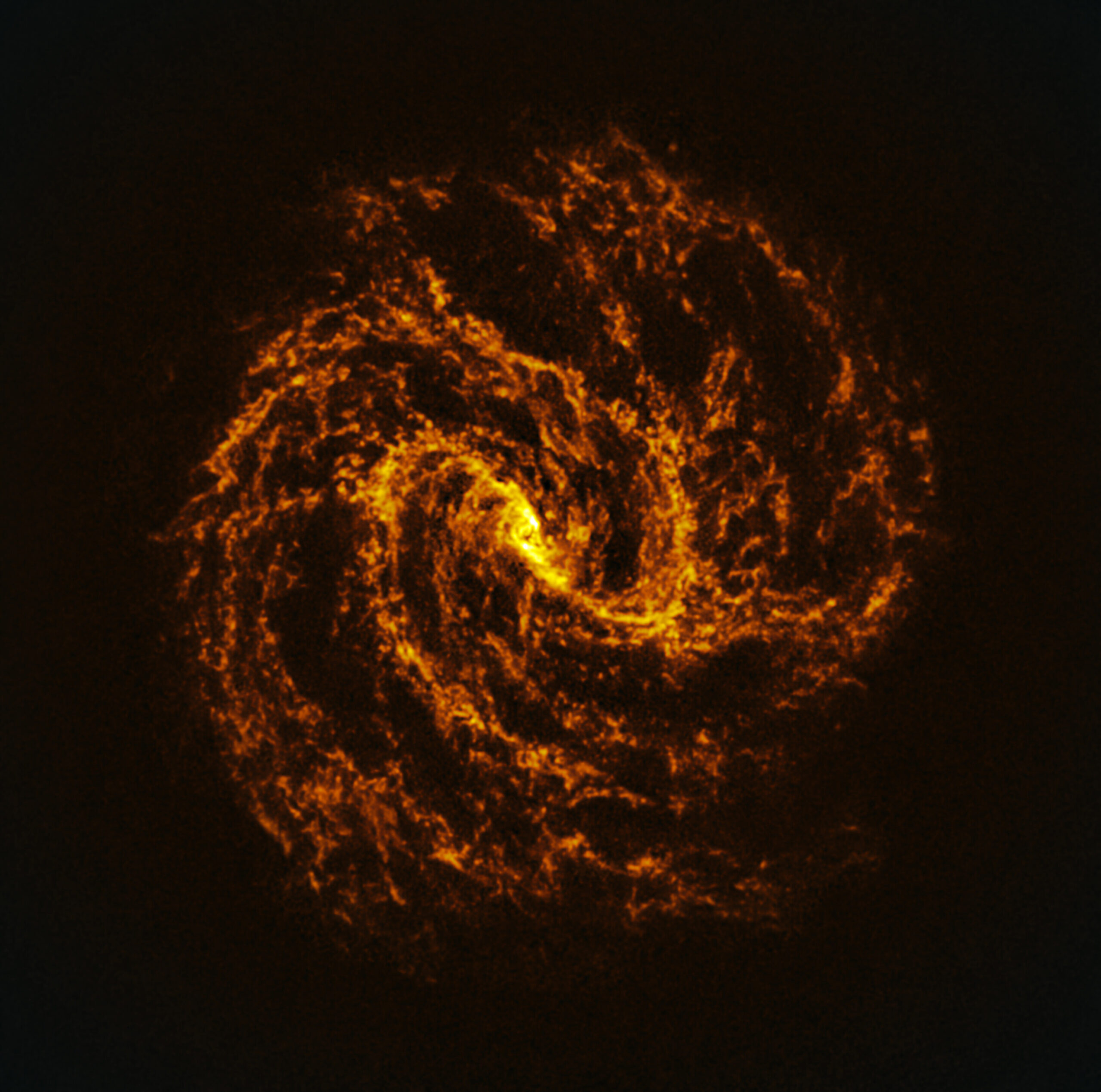
Wirująca galaktyka
Jak portal do innego wymiaru, hipnotyzujący wir przedstawia To jest spiralna galaktyka M83, znana również jako Południowy Wiatrak, położona około 15 milionów lat świetlnych stąd. Jest jedną z najjaśniejszych galaktyk na nocnym niebie, ale to zdjęcie, wykonane Atacama Large Millimeter/submillimeter Array (ALMA), nie pokazuje, jak wygląda M83 w…
-
A swirling galaxy
Like a portal to another dimension, a hypnotizing swirl features This is the spiral galaxy M83, also known as the Southern Pinwheel, located approximately 15 million light-years away. It is one of the brightest galaxies in the night sky, but this image, taken with the Atacama Large Millimeter/submillimeter Array (ALMA), doesn’t show how M83 looks in the…
-
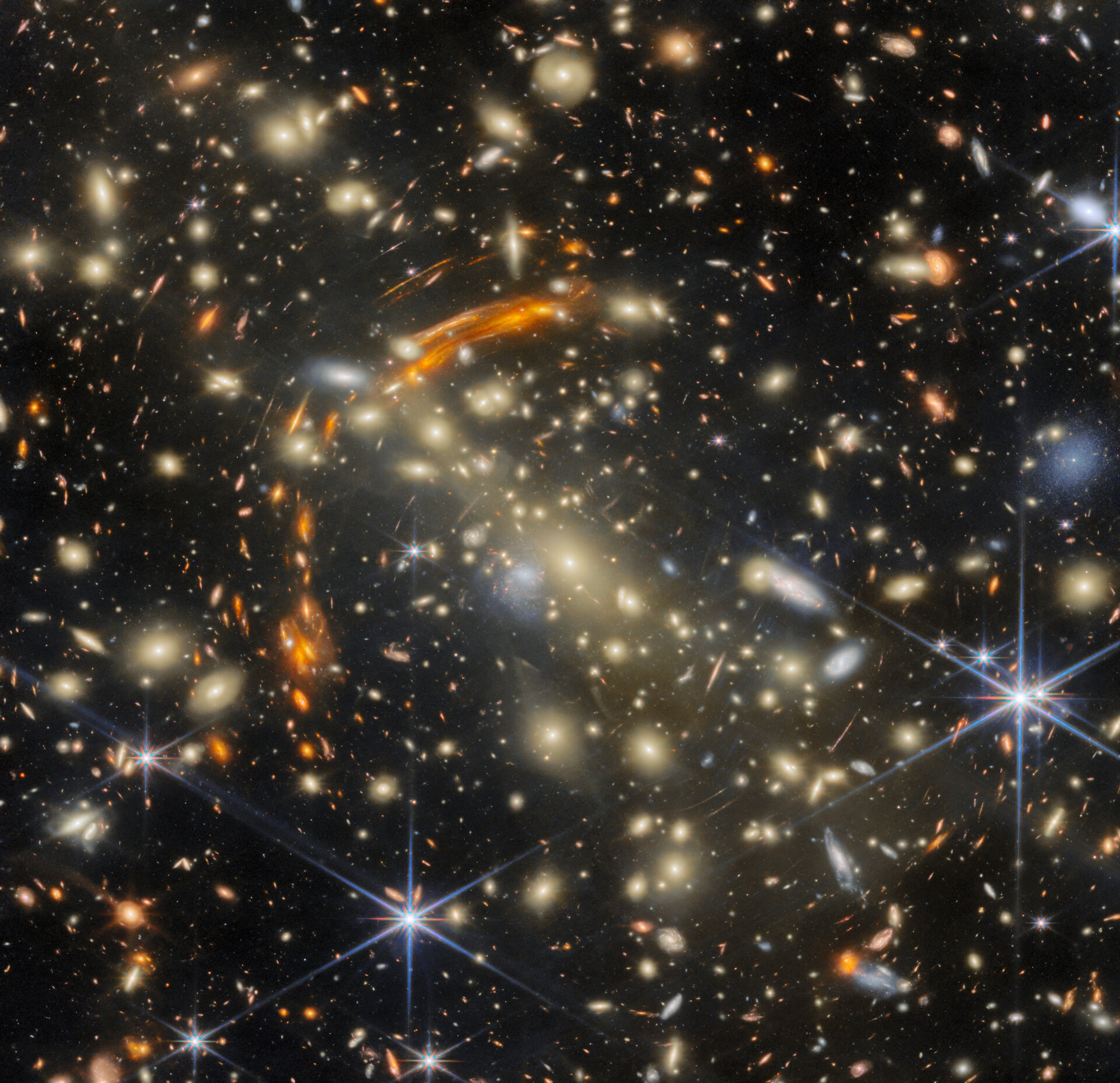
Galaxies in a cosmic house of mirrors
Image: This NASA/ESA/CSA James Webb Space Telescope Picture of the Month features galaxies in great detail that have been warped and multiplied like they’ve stepped into a house of mirrors. The brilliant golden galaxies splashed across this image belong to a galaxy cluster called MACS J0454.1-0300. The orange galaxies concentrated on one side of the…
-
Galaktyki w kosmicznym domu luster
Obraz: To zdjęcie miesiąca z Kosmicznego Teleskopu Jamesa Webba NASA/ESA/CSA przedstawia galaktyki w wielkich szczegółach, które zostały zdeformowane i pomnożone, jakby weszły do domu luster. Olśniewające złote galaktyki rozrzucone na tym zdjęciu należą do gromady galaktyk o nazwie MACS J0454.1-0300. Pomarańczowe galaktyki skoncentrowane po jednej stronie gromady nie są faktycznie jej częścią i znajdują się…